Authentic Mediterranean Greek Pasta with Feta: Irresistib…
It all started on a sun-soaked trip to a charming little taverna in Greece, where I was utterly captivated by their Authentic Mediterranean Greek Pasta with Feta. The vibrant colors of the fresh vegetables, the briny olives, and that creamy feta—it was like a party on a plate! I knew I had to recreate this dish at home, partly because let’s be honest, my wallet couldn’t handle my daily cravings for it, and partly because I wanted to put my own twist on it and make it even better than what I had tasted.
After several attempts (and a few too many takeout meals while trying to nail it), I finally perfected this recipe. It took me about three weeks of trial and error—each time tweaking the ingredient ratios and playing around with cooking times. I was determined to achieve that perfect balance of flavors where the salty feta complemented the sweetness of the vegetables without overpowering them. Let’s just say my kitchen turned into a war zone of pasta experiments; who knew overcooked noodles could be so tragic?
But oh boy, was it worth every minute! The final result is an explosion of Mediterranean goodness that’s light yet satisfying—think tender pasta mingling with crisp veggies, zesty olives, and luscious feta that melts just right. The textures are delightful: you’ve got the creaminess of the cheese against the crunch of fresh produce, all tied together with a hint of herbaceous magic. Trust me, you’re going to want to dive into this dish as soon as you can! So grab your apron and let’s get cooking—I can’t wait for you to try this Authentic Mediterranean Greek Pasta with Feta!
These Authentic Mediterranean Greek Pasta with Feta are…
…a vibrant celebration of flavors and textures that will transport you straight to the sun-drenched coasts of Greece!
1. They deliver a burst of fresh flavors that truly embody the Mediterranean spirit, thanks to the combination of juicy cherry tomatoes, crisp cucumbers, and tangy feta. Each bite is an explosion of taste that’s refreshing and zesty, making this pasta dish a standout choice for warm-weather meals.
2. The perfectly al dente texture of the penne pasta adds a delightful chewiness that complements the crunch of the fresh vegetables. Cooking the pasta just right ensures it holds its shape and creates a satisfying contrast against the creamy feta and tender olives.
3. A key technique in this recipe is allowing the olive oil and vinegar dressing to marinate briefly with minced garlic and oregano before tossing it with the pasta. This step infuses every ingredient with aromatic goodness, elevating your dish from ordinary to extraordinary as it absorbs those rich Mediterranean flavors.
4. This dish offers incredible value, as it’s not only quick and easy to prepare at home but also much more affordable than dining out at a restaurant. With just a handful of fresh ingredients—including staples like pasta, veggies, and feta—you can create a delicious meal that serves multiple people without breaking the bank.
PS This recipe yields enough for about 4 hearty servings, making it perfect for family dinners or meal prep for the week!
Ingredients for the Authentic Mediterranean Greek Pasta with Feta
Each ingredient in this dish plays an essential role in flavor and texture. Here’s what you’ll need:
12 oz penne pasta: Serves as the hearty base that holds all the delicious elements together.
1 cup cherry tomatoes (halved): Adds a burst of sweetness and vibrant color to the dish.
1 cup cucumber (diced): Provides a refreshing crunch and balances the richness of the feta.
1 cup bell pepper (diced): Contributes a sweet, crisp texture and a pop of color.
1/2 cup red onion (finely chopped): Offers a mild sharpness that enhances the overall flavor profile.
1 cup feta cheese (crumbled): Brings creamy richness and tang that is quintessential to Mediterranean cuisine.
1/2 cup kalamata olives (pitted and sliced): Imparts a briny depth that complements the other flavors beautifully.
1/4 cup olive oil (extra virgin): Acts as a luscious dressing that ties all ingredients together.
2 tbsp red wine vinegar: Adds acidity to brighten and enhance each component’s flavor.
1 tsp dried oregano: Infuses an aromatic herbal note that evokes classic Mediterranean tastes.
1 clove garlic (minced): Introduces a warm, savory essence that deepens the overall flavor complexity.
to taste salt: Essential for enhancing and balancing all the flavors present in the dish.
- to taste black pepper: Adds a hint of spice to round out the flavors beautifully.
You MUST Rinse the Pasta! No Shortcuts Here!
I know, I know—adding an extra step to rinsing the pasta might feel like a betrayal to your time-saving instincts. I tried to skip it once, thinking it would be fine, and let’s just say my pasta was not happy about it. Spoiler alert: it turned into a clumpy mess that even the feta cheese couldn’t save. 😅
Rinsing the pasta is crucial because it halts the cooking process right at the perfect moment, ensuring you achieve that ideal al dente texture. Think of it like giving your pasta a cool-down after an intense workout—it prevents overcooking and keeps each piece distinct and firm. If you skip this step, you’ll end up with mushy pasta that loses its charm amid the vibrant veggies and creamy feta.
What does rinsing the pasta do?
- Texture — Rinsing stops further cooking, maintaining the ideal al dente bite that’s satisfying and prevents clumping.
- Flavor absorption — By halting cooking, the pasta retains its ability to absorb all those delicious Mediterranean flavors from the dressing without becoming too soggy.
- Temperature control — Cold pasta helps keep your dish refreshing when mixed with fresh veggies like cherry tomatoes and cucumber.
- Visual appeal — Perfectly cooked, non-sticky penne looks more appealing on the plate, showcasing bright colors from vegetables instead of a dull pasta blob.
- Serving flexibility — Rinsed pasta can be served immediately or chilled for later, making it versatile for any occasion.
Different rinsing times
- No rinse (poor) — The pasta continues to cook in residual heat, resulting in mushy noodles that stick together.
- Quick rinse (1–2 seconds) (okay) — Slightly halts cooking but may not cool down enough; texture is somewhat improved but still sticky in parts.
- Moderate rinse (5 seconds) (good) — Effectively cools down the pasta while reducing stickiness; al dente texture is maintained.
- Thorough rinse (10 seconds) (great) — Perfectly halts cooking and cools down efficiently; results in ideal separation for a vibrant dish.
Don’t make the rookie mistake of skipping this rinse! If you don’t do it, you’ll end up with gummy pasta clinging together like they just went through a breakup. Trust me—your Mediterranean Greek Pasta with Feta deserves better!
How to make Authentic Mediterranean Greek Pasta with Feta
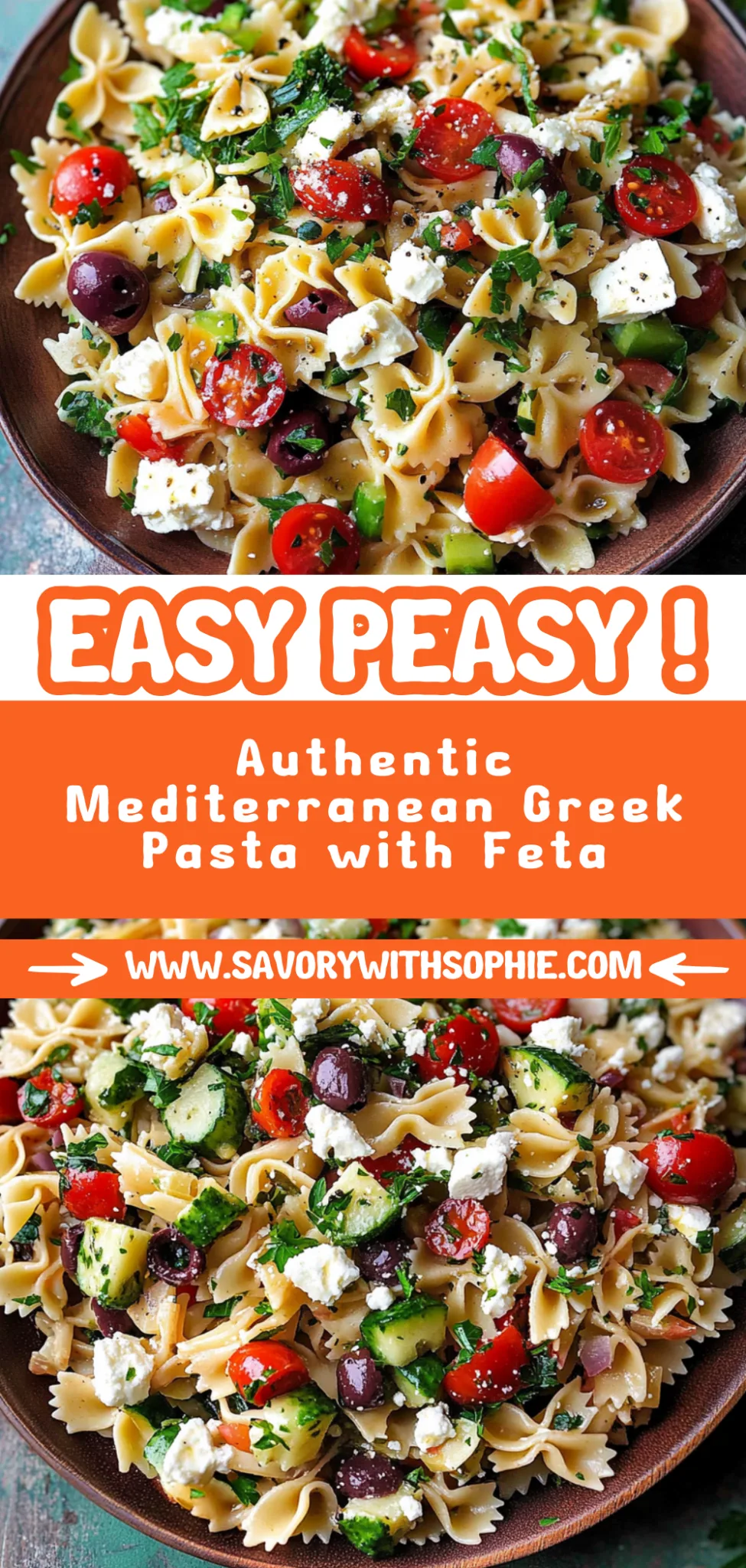
Are you ready to see how straightforward it is to make the Authentic Mediterranean Greek Pasta with Feta of your dreams??
1. COOK THE PASTA
First, let’s get that pasta cooking!
BOLD ACTION LABEL: Bring – Bring a large pot of salted water to a rolling boil. This is crucial because the salt enhances the flavor of the pasta as it cooks. Once boiling, add the 12 oz of penne pasta (or your preferred pasta) and cook according to the package instructions until al dente, which usually takes around 10-12 minutes. You want it firm to the bite but not hard in the center!
BOLD ACTION LABEL: Drain – After cooking, drain the pasta in a colander and rinse it under cold water. This stops the cooking process and prevents it from becoming mushy.
HANDY TIPS
- Use plenty of water: A large pot with enough water helps cook the pasta evenly and prevents it from sticking together.
- Taste test: Start checking for doneness a minute before the time indicated on the package — you want that perfect al dente texture!
2. PREPARE THE VEGETABLES
Now, let’s chop those vibrant veggies!
BOLD ACTION LABEL: Combine – In a mixing bowl, combine 1 cup of halved cherry tomatoes, 1 cup of diced cucumber, 1 cup of diced bell pepper, and 1/2 cup of finely chopped red onion. These fresh ingredients will bring a burst of color and flavor to your dish.
HANDY TIPS
- Freshness matters: Use ripe cherry tomatoes for maximum sweetness and flavor.
- Chop evenly: Aim for uniform sizes in your vegetable cuts so they mix well and look appealing.
3. MAKE THE DRESSING
Time to whip up a zesty dressing!
BOLD ACTION LABEL: Whisk – In a small bowl, whisk together 1/4 cup of extra virgin olive oil, 2 tablespoons of red wine vinegar, 1 teaspoon of dried oregano (or fresh if you have it), minced garlic from 1 clove, salt, and black pepper to taste. The dressing should be slightly emulsified; this brings all those flavors together beautifully!
HANDY TIPS
- Adjust acidity: Feel free to tweak the vinegar based on your taste preference — more for tanginess or less for creaminess!
- Make ahead: You can prepare this dressing in advance and store it in the fridge; just give it a good shake before using.
4. COMBINE INGREDIENTS
Let’s bring everything together!
BOLD ACTION LABEL: Add – Add the cooked pasta to the bowl with your colorful vegetables. Pour the dressing over everything and toss gently to combine so that every piece is coated in that delicious mixture.
BOLD ACTION LABEL: Fold – Gently fold in 1 cup of crumbled feta cheese and 1/2 cup of sliced kalamata olives for that authentic Mediterranean flair.
HANDY TIPS
- Mixing technique: Be gentle when tossing; you want everything mixed without breaking up those lovely feta chunks!
- Customizable add-ins: Consider adding other Mediterranean favorites like artichokes or sun-dried tomatoes for extra flavor!
5. SERVE AND ENJOY
Final step — it’s time to dig in!
BOLD ACTION LABEL: Serve – Serve immediately or refrigerate for about 30 minutes before serving to allow flavors to meld beautifully together. This dish can be enjoyed warm or cold — perfect for any occasion!
Make this vibrant pasta once, and I guarantee it will become a staple in your kitchen too! – Nagi x
FAQ – Authentic Mediterranean Greek Pasta with Feta
🥗 How long will this pasta salad keep in the fridge?
This Authentic Mediterranean Greek Pasta with Feta will stay fresh in the fridge for about 3 days. However, the quality diminishes over time: you can expect it to be about 97% as good on day 1, 90% on day 2, and 85% on day 3. After that, the vegetables may start to lose their crispness, and the feta can become a bit too soggy. Always store it in an airtight container to help maintain its freshness!
⏳ Can I make this pasta salad ahead of time?
Yes, you can make this pasta salad ahead of time! I recommend preparing it up to 30 minutes before serving to allow the flavors to meld beautifully. If you’re making it earlier than that, simply cover it and refrigerate it. Just remember, if you plan to serve it after more than a couple of hours, give it a quick toss before serving as some dressing may settle at the bottom.
❄️ Can I freeze this pasta salad for later?
Freezing isn’t ideal for this pasta salad because the texture of the vegetables and feta can change significantly once thawed. If you absolutely must freeze it, do so without the feta and olives—store those separately. To freeze, place the pasta and veggies in an airtight container for up to 2 months. When ready to use, thaw overnight in the fridge and then mix in fresh feta and olives right before serving.
🌾 Is there a gluten-free option for this recipe?
Absolutely! To make this dish gluten-free, simply substitute the penne pasta with a gluten-free pasta alternative. Many brands offer great options made from rice or lentils that hold up well in salads like this one. Just be sure to cook them according to package instructions since gluten-free pastas can behave differently than traditional wheat pasta.
🧀 Can I substitute feta cheese with another cheese?
Yes! If you’re not a fan of feta or need a dairy-free substitution, you can try using goat cheese or even a vegan feta alternative made from nuts or tofu. Keep in mind that these alternatives will provide different flavor profiles—goat cheese is creamier and has a tangy taste, while vegan options vary widely by brand but often have a milder flavor.
🔪 Why do I rinse the pasta after cooking?
Rinsing your cooked pasta under cold water serves two purposes: First, it stops the cooking process immediately so your pasta doesn’t become mushy. Second, it helps cool down the pasta quickly so that when you combine it with fresh vegetables and dressing, they don’t wilt or steam from residual heat. Trust me; I’ve tested both ways and rinsing is definitely the winner!
💡 What are some good add-ins or variations for this recipe?
Feel free to customize your Mediterranean Pasta Salad! You can add ingredients like artichoke hearts, sun-dried tomatoes, or chickpeas for extra protein. Fresh herbs like parsley or basil also add a lovely touch of flavor and freshness. Just remember to adjust your dressing slightly if you add more ingredients; you want everything coated perfectly without being overwhelmed by liquid!
Troubleshooting
I will continue to add more to this Troubleshooting section as I start seeing questions coming through from people who have made the recipe.
Troubleshooting tips
“My pasta turned out mushy! 😭”
- You may have overcooked the penne pasta. Cooking it beyond al dente means it can absorb too much water and lose its firm texture.
- Alternatively, if you didn’t rinse it under cold water after draining, the residual heat could continue cooking the pasta, making it mushy.
I bet it still tasted great, though!
“My salad looks too dry and sad! 😔”
- This might happen if you didn’t use enough dressing. The olive oil and vinegar should sufficiently coat the pasta and veggies for a fresh taste.
- Also, make sure to mix everything well after adding the dressing; sometimes, ingredients can hide away without proper tossing!
But hey, a little drizzle of extra dressing can fix that right up!
“The feta cheese just crumbled into tiny bits! 😩”
- If your feta was too soft or not chilled enough before adding, it can break apart more than expected when mixed with other ingredients.
- Try using firmer feta or keeping it in the fridge until you’re ready to use it next time!
No worries—those tiny bits are still full of flavor and delicious!
“My vegetables ended up looking wilted! 😟”
- If your cherry tomatoes, cucumber, or bell pepper were cut too early before serving, they can release moisture and lose their crispness.
- To keep them fresh, try chopping right before mixing with the pasta or store them separately until you’re ready to serve!
At least they still added some color to your dish!
“The dressing was too tangy for my taste! 😬”
- You might have used too much red wine vinegar compared to olive oil. The balance is key; a little extra vinegar can easily overpower the dressing.
- Next time, start with less vinegar and gradually taste-test until you find that perfect balance!
Even if it was tangy, I’m sure it still brought some zing to your meal!