Zucchini Gingerbread: A Deliciously Surprising Treat
When I first stumbled upon a slice of zucchini gingerbread at a cozy little café, I was instantly enchanted. The moment I took a bite, the warm spices danced on my palate, and the moist texture had me wondering how something so delectable could involve a vegetable! I knew right then that I had to recreate this masterpiece at home. Plus, let’s be honest—there’s something thrilling about whipping up a dessert that sneaks in some veggies, not to mention it’s way more cost-effective than splurging on café treats every week!
So, armed with my determination and a kitchen full of flour, I launched into what can only be described as a bit of a baking saga. After three solid days of trial and error—don’t even ask how many batches ended up as “experimentally delicious” disasters—I finally nailed the balance between spice and sweetness. Each attempt taught me something new, whether it was adjusting the ratio of zucchini or figuring out just how much ginger would make taste buds sing without overpowering everything else. Let’s just say my friends had their fair share of “zucchini surprises” during those testing weeks!
But oh boy, was it worth every second! The final result is a moist and spiced gingerbread cake infused with fresh zucchini that adds an unexpected twist while keeping things tender. It’s perfectly sweetened with hints of warm spices that linger in the best way possible, while being surprisingly light—just the ticket for any afternoon pick-me-up! Trust me, once you take that first bite of this Zucchini Gingerbread, you’ll be hooked. So grab your mixing bowl and let’s get baking; I promise you won’t regret it!
These Zucchini Gingerbread are…
…a delightful twist on a beloved classic that will have you reaching for seconds!
1. They deliver an incredible depth of flavor with warm notes of cinnamon and ginger that dance on your palate. The combination of spices not only enhances the sweetness but also complements the natural moisture from the zucchini, making each bite feel like a cozy hug.
2. Moist and tender texture – this Zucchini Gingerbread is everything you want in a cake. The grated zucchini adds a unique softness while helping to create a beautifully dense crumb, enhanced by the perfect balance of baking soda and baking powder, ensuring it rises just right without being dry.
3. Elevated baking technique – incorporating freshly grated zucchini into the batter is a game changer. It not only adds moisture but also ensures the gingerbread remains fresh longer, allowing for a deliciously spiced experience that maintains its integrity day after day.
4. Budget-friendly goodness – this recipe uses common pantry staples like all-purpose flour, sugars, and spices, making it easy to whip up without breaking the bank. Plus, with two cups of flour at its base, you’ll get generous servings that satisfy your cravings without sacrificing quality or taste.
PS This Zucchini Gingerbread yields a lovely 9-inch round cake that’s perfect for sharing or enjoying throughout the week!
Ingredients You’ll Need
Each ingredient in this dish plays an essential role in flavor and texture. Here’s what you’ll need:
2 cups all-purpose flour: Provides the structure and base for the gingerbread.
1 teaspoon baking soda: Helps the cake rise, ensuring a light texture.
1 teaspoon baking powder: Works with baking soda for extra leavening power.
1 teaspoon ground cinnamon: Infuses warm spice notes that enhance the gingerbread flavor.
1 teaspoon ground ginger: Adds a zesty kick that complements the sweet elements.
1/2 teaspoon salt: Balances the sweetness and elevates overall flavor.
1 cup zucchini, grated (about 1 medium zucchini): Contributes moisture and a subtle green flavor without overwhelming sweetness.
1/2 cup brown sugar (packed): Brings rich, caramel-like sweetness to the cake.
1/2 cup granulated sugar: Adds sweetness and helps achieve a tender crumb.
1/2 cup vegetable oil: Keeps the cake moist and enhances its soft texture.
2 large eggs: Provide binding and stability while adding richness to the batter.
1 teaspoon vanilla extract: Introduces a warm, aromatic note that rounds out the flavors.
Greasing and Flourishing the Pan is Non-Negotiable! Trust Me!
I’ve tried to cut corners here, thinking I could skip this step and get away with it. Spoiler alert: I was wrong! The first time I didn’t grease and flour the pan, my beautiful gingerbread turned into a hot mess that stuck like glue. So, if you’re tempted to skip this part, don’t do it — your future self will thank you!
Greasing and flouring the loaf pan might seem tedious, but think of it as giving your gingerbread a cozy little home. It helps create a non-stick surface that allows the cake to release easily once baked. Without it, you risk leaving half of your delicious creation behind in the pan — and nobody wants that! Plus, it ensures an even bake for that perfectly moist and spiced gingerbread.
What does greasing and flouring the pan do?
- Prevents sticking: Ensures that the cake slides out easily after baking, keeping all that lovely zucchini goodness intact.
- Improves texture: A well-greased pan helps form a light crust on the outside while keeping the inside soft and moist—just like you want for a perfect gingerbread.
- Even browning: Creates a uniform surface for browning, enhancing the cake’s color without burning any edges.
- Aids in rising: With proper greasing, there’s less resistance against rising batter, allowing your gingerbread to reach its full height.
- Enhances presentation: A well-released cake looks more appealing when served; no one likes a crumbly mess on their plate!
Different greasing techniques
- Butter only (good) — A decent option but can lead to slight sticking if not done generously.
- Oil only (better) — Works well but may not provide enough structure for heavier batters like this gingerbread.
- Flour only (okay) — Helps prevent sticking but doesn’t provide enough adhesion; often leads to uneven release.
- Butter & Flour (best) — The ultimate combination for success! This method guarantees an easy release while providing excellent crust formation.
Beware of the temptation to skimp on greasing and flouring your pan! This is the most common mistake I see. If you skip this crucial step, prepare for some serious frustration when your gorgeous gingerbread refuses to budge from its baking prison. Don’t say I didn’t warn you!
How to make Zucchini Gingerbread
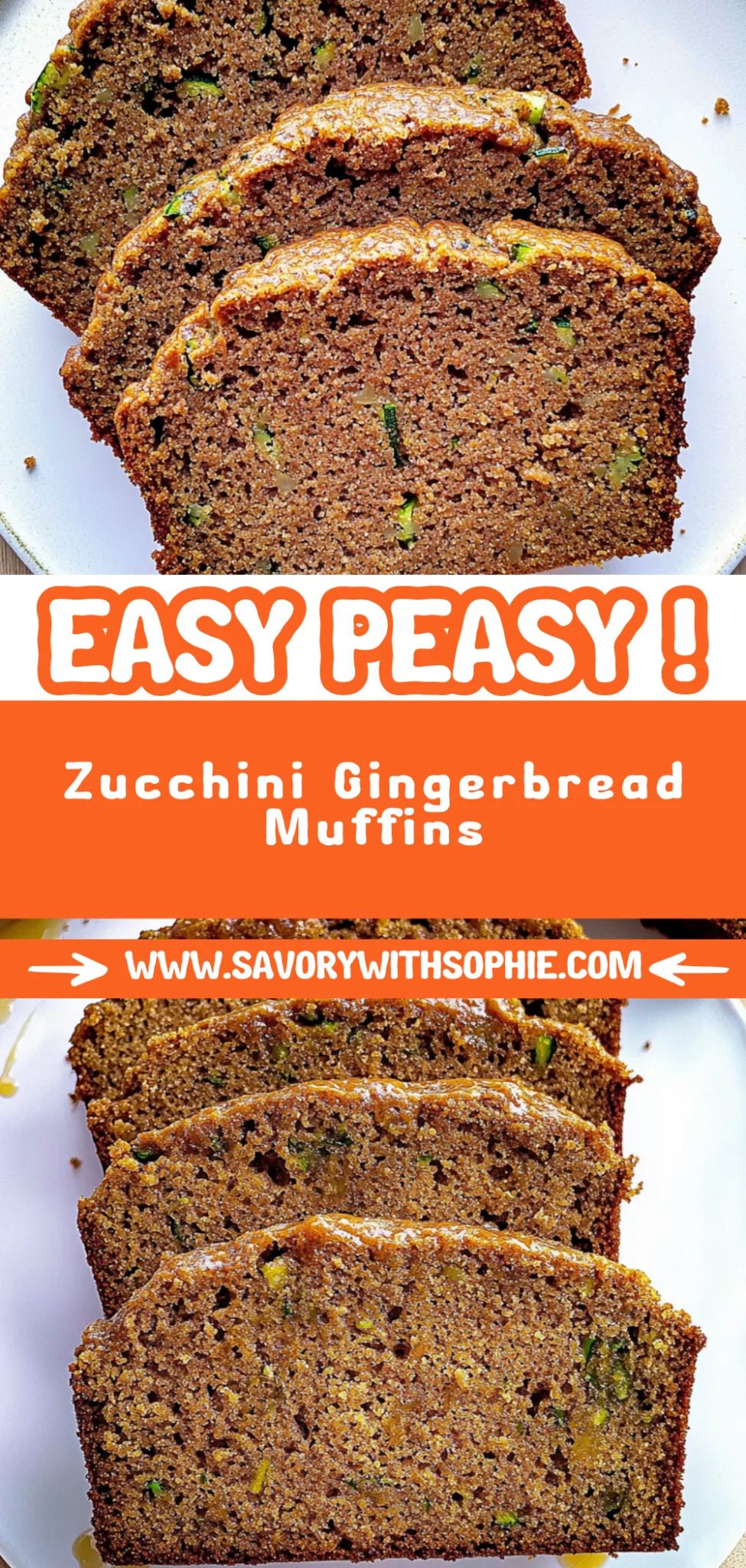
Are you ready to see how straightforward it is to make the Zucchini Gingerbread of your dreams??
1. PREPARE THE OVEN AND PAN
First things first, let’s get that oven ready for some deliciousness!
Preheat – Preheat the oven to 350°F (175°C). A hot oven ensures your gingerbread bakes evenly and rises beautifully.
Grease & Flour – Grease and flour a 9×5 inch loaf pan. This step is crucial to prevent sticking, ensuring you can easily remove your moist gingerbread once baked!
Combine Dry Ingredients – In a mixing bowl, combine the dry ingredients: flour, baking soda, baking powder, cinnamon, ginger, and salt. Mixing these together now helps distribute the leavening agents and spices evenly throughout the batter.
HANDY TIPS
- Flour Measurement: Make sure to spoon and level your flour when measuring; too much flour can lead to a dense loaf.
- Spice Boost: If you love spice, consider adding an extra pinch of ground ginger for an even more robust flavor!
2. MIX WET INGREDIENTS
Now it’s time to bring in that zucchini magic!
Whisk Together – In another bowl, whisk together the grated zucchini, brown sugar, granulated sugar, vegetable oil, eggs, and vanilla extract until well combined. This mixture should be smooth and slightly thickened; the zucchini adds moisture while the sugars contribute sweetness!
HANDY TIPS
- Zucchini Prep: When grating your zucchini, opt for medium-sized shreds. This way, it will integrate nicely into the batter without being too watery.
- Sugar Swap: You can use all brown sugar for a richer flavor or substitute some with honey or maple syrup for a twist!
3. COMBINE AND BAKE
Let’s blend those flavors and get this cake in the oven!
Add Dry to Wet – Gradually add the dry ingredients to the wet ingredients, stirring until just combined. Do not overmix; a few lumps are perfectly fine! Overmixing can lead to a tough texture—nobody wants that!
Pour Batter – Pour the batter into the prepared loaf pan and smooth the top. Make sure it’s evenly distributed for uniform baking!
Bake – Bake in the preheated oven for 45 minutes or until a toothpick inserted into the center comes out clean. The top should be golden brown and fragrant—your kitchen will smell amazing!
HANDY TIPS
- Toothpick Test: If it comes out with moist crumbs rather than wet batter, you’re good to go!
- Oven Variance: Every oven is different; keep an eye on your gingerbread after about 40 minutes!
4. COOL AND SERVE
You’re almost there—patience pays off!
Cool in Pan – Allow the gingerbread to cool in the pan for 10 minutes before transferring it to a wire rack. This allows it to set slightly without falling apart!
Cool Completely – Transfer to a wire rack to cool completely before slicing. This ensures you won’t have mushy edges when you cut into that lovely cake.
HANDY TIPS
- Storage Tip: Once cooled completely, wrap any leftovers tightly in plastic wrap or store them in an airtight container at room temperature for up to three days.
- Serving Suggestion: Enjoy it plain or with a spread of cream cheese frosting for an indulgent treat!
Make this Zucchini Gingerbread once, and I wager it will invade your dreams every night too! – Nagi x
FAQ – Zucchini Gingerbread
🥒 Can I use frozen zucchini in this recipe?
Yes, you can use frozen zucchini! Just make sure to thaw it completely and drain any excess moisture before using it in the recipe. I find that freezing zucchini can actually enhance its flavor, but be cautious as too much moisture can lead to a soggier gingerbread. If your thawed zucchini seems watery, consider squeezing it in a clean kitchen towel to remove some of that liquid. Trust me, a drier zucchini makes for a better bake!
🍰 How long will this zucchini gingerbread stay fresh?
The Zucchini Gingerbread will last for about 3-4 days at room temperature in an airtight container. After day three, I would say it’s still about 90% as good — the flavors might mellow slightly, but it’ll still be delicious! If you want to keep it longer, consider refrigerating it, where it can last up to a week. Just remember to wrap it well to prevent it from drying out.
❄️ Can I freeze this gingerbread?
Absolutely! You can freeze the Zucchini Gingerbread for up to three months. To do this, let the loaf cool completely before wrapping it tightly in plastic wrap and then aluminum foil. When you’re ready to enjoy it again, simply thaw it overnight in the fridge or on the counter for a couple of hours. If you’re feeling impatient (I get it!), you can also pop slices in the microwave for a quick warm-up after thawing.
🌾 Is there a gluten-free option for this gingerbread?
Yes, you can make this gingerbread gluten-free by substituting the all-purpose flour with a gluten-free all-purpose blend. Make sure your blend contains xanthan gum; if not, add about 1/2 teaspoon per cup of flour used. I’ve tested this several times and found that a blend with rice flour works best! Just note that the texture might vary slightly—still tasty but perhaps not quite as fluffy as with regular flour.
🥄 Can I reduce the sugar or substitute with sweeteners?
No, unfortunately, you can’t reduce the sugar without affecting the overall texture and moisture of the loaf. I’ve tried lowering the sugar content multiple times (I know, I’m mad! 😅), but each time resulted in a denser cake that lacked sweetness and flavor depth. If you’re looking for alternatives, you could try using coconut sugar or maple syrup; however, you’ll need to adjust the wet ingredients since these options are more liquidy than granulated sugar.
🔍 Why is it important not to overmix when combining ingredients?
Overmixing can develop gluten in your batter, which leads to a dense and chewy gingerbread instead of the light and moist texture we’re aiming for. When mixing wet and dry ingredients, stop as soon as there are no more dry streaks—it’s totally fine if there are some lumps! Remember: less is more when it comes to mixing; think “gentle folding” rather than vigorous stirring!
🍫 Can I add other ingredients like nuts or chocolate chips?
Of course! Adding nuts like walnuts or pecans gives a lovely crunch and complements the spices beautifully. I recommend adding about 1/2 cup of chopped nuts or chocolate chips folded into the batter just before pouring it into your loaf pan. Just keep an eye on baking time; if you’re adding significantly heavier ingredients, you may need an extra few minutes in the oven. Enjoy experimenting with flavors—there’s no wrong way to jazz up this gingerbread!
Troubleshooting
I will continue to add more to this Troubleshooting section as I start seeing questions coming through from people who have made the recipe.
Troubleshooting tips
“My zucchini gingerbread is too dense and heavy! 😩”
- You might have overmixed the batter when combining the wet and dry ingredients. Overmixing can develop gluten in the flour, leading to a denser texture.
- Your zucchini could have been too wet if you didn’t squeeze out excess moisture after grating it. Too much liquid can result in a heavy loaf.
- You may have packed your brown sugar too tightly or used too much of it, which can make the gingerbread denser than intended.
I bet it was still YUM though!
“The top of my gingerbread cracked while baking! 😱”
- If your oven temperature was too high, it can cause the top to rise rapidly and crack before the inside is fully set. Always ensure your oven is properly calibrated to 350°F (175°C).
- You might have poured the batter into the pan without smoothing it out evenly, which can lead to uneven rising and cracking.
- If you didn’t allow your loaf to cool before slicing, the steam escaping could create cracks on the surface.
I bet it was still YUM though!
“My gingerbread looks pale and undercooked! 😟”
- If you removed it from the oven too soon, it might not have had enough time to bake through completely. A toothpick should come out clean when it’s done.
- Your oven temperature could be inaccurate; if it’s running cooler than 350°F (175°C), it will take longer to bake and may result in a pale appearance.
- Using too much grated zucchini without adjusting other ingredients can also lead to excess moisture, making it look undercooked.
I bet it was still YUM though!
“My loaf came out flat instead of nice and tall! 😢”
- It’s possible that your baking soda or baking powder was expired or not active enough, preventing proper leavening during baking.
- If you didn’t mix your dry ingredients thoroughly before adding them to the wet ingredients, some areas may lack sufficient leavening agents.
- You might have used extra-large eggs instead of large ones, which can alter the balance of wet and dry ingredients affecting rise.
I bet it was still YUM though!
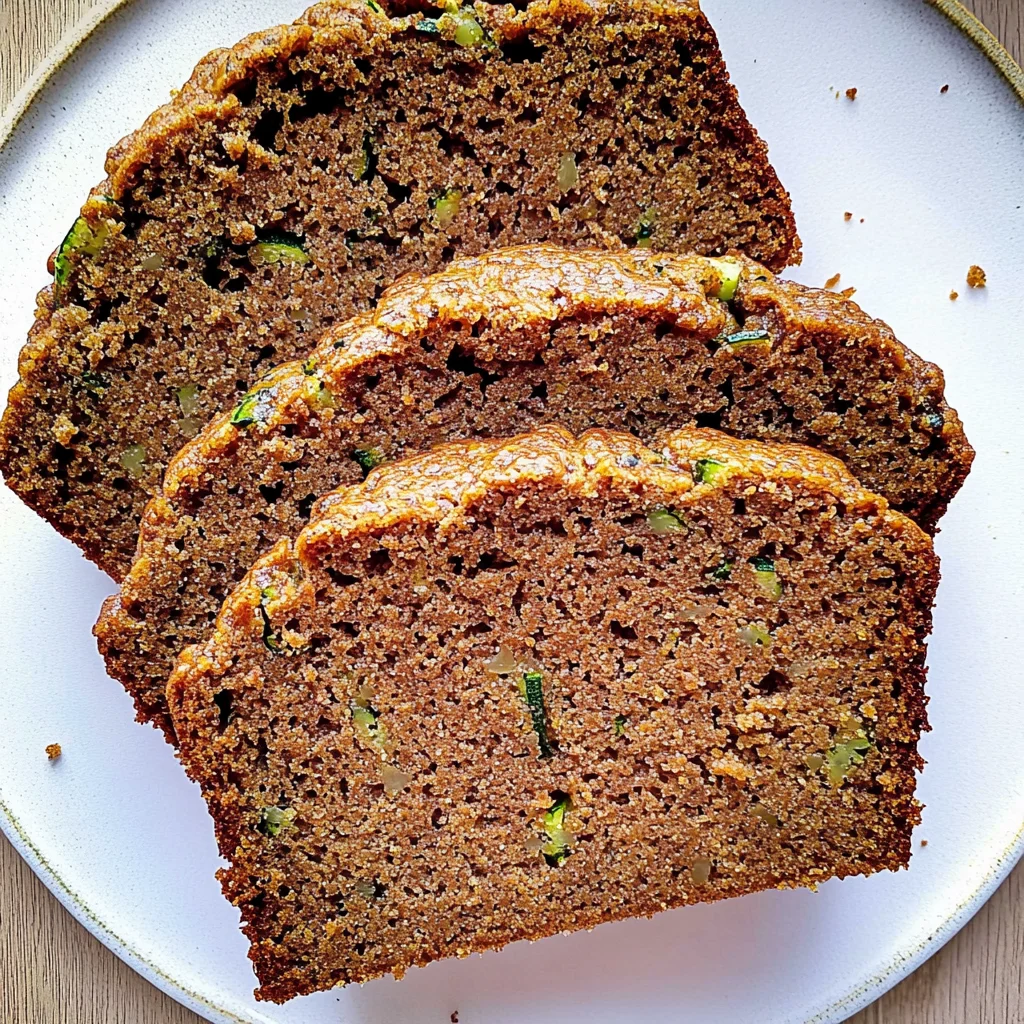
Zucchini Gingerbread
Ingredients
Method
- Preheat the oven to 350°F (175°C). Grease and flour a 9x5 inch loaf pan.
- In a mixing bowl, combine the dry ingredients: flour, baking soda, baking powder, cinnamon, ginger, and salt.
- In another bowl, whisk together the grated zucchini, brown sugar, granulated sugar, vegetable oil, eggs, and vanilla extract until well combined.
- Gradually add the dry ingredients to the wet ingredients, stirring until just combined. Do not overmix.
- Pour the batter into the prepared loaf pan and smooth the top.
- Bake in the preheated oven for 45 minutes or until a toothpick inserted into the center comes out clean.
- Allow the gingerbread to cool in the pan for 10 minutes, then transfer to a wire rack to cool completely before slicing.