Spanish Paella: Unforgettable Flavor Explosion at Home
I’ll never forget the first time I tasted a truly authentic Spanish Paella in a little tapas bar tucked away in Valencia. The moment that fragrant pan of saffron-infused rice landed on our table, I knew I was in for something special—the vibrant colors of the seafood and meats practically danced before my eyes. After that unforgettable meal, I decided to challenge myself to recreate this masterpiece at home. Not only was it going to save me a few bucks, but I also wanted to prove that I could whip up an even better version than what I’d had—no pressure, right?
Let me tell you, perfecting my Spanish Paella took way more attempts than I care to admit—nine, to be exact! Each try was an adventure filled with a fair share of mishaps (let’s just say my kitchen had its share of rice disasters). I fiddled with the ratios of seafood and meats, experimented with different cooking techniques, and even tried various brands of saffron—because if it wasn’t spot-on, what was the point? With each iteration, I got closer to capturing that magical balance of flavors and textures that makes paella such a beloved dish.
And finally, after all those trials and tribulations, I emerged victorious with a Spanish Paella that’s simply divine! The rice is perfectly al dente, infused with rich seafood essence and aromatic spices, while the tender pieces of chicken and chorizo add a delightful heartiness. It’s everything you dream about in a one-pan wonder—colorful, fragrant, and bursting with flavor. Trust me when I say this dish will impress anyone you serve it to; it’s worth every bit of effort! So grab your ingredients and let’s make some paella magic happen—you won’t regret it!
These Spanish Paella are… the ultimate celebration of flavor and tradition!
1. They deliver an explosion of flavors that transport you straight to the streets of Valencia. The combination of tender chicken thighs, smoky chorizo, and succulent shrimp creates a savory depth, while the saffron threads infuse the dish with a luxurious aroma that’s simply irresistible.
2. Irresistible texture – each bite offers a delightful contrast between the juicy seafood and the perfectly cooked Bomba rice. This short-grain rice absorbs all the rich broth, creating a creamy base while maintaining just enough bite for a satisfying chew.
3. The one-pan technique elevates this dish to restaurant-quality without the hassle. Cooking everything together allows the ingredients to mingle and develop their flavors harmoniously, ensuring that each grain of rice is infused with spices and essence from the chicken, chorizo, and seafood.
4. A fantastic value – making Spanish Paella at home means you can enjoy a feast typically found in high-end restaurants without breaking the bank. With accessible ingredients like chicken thighs and shrimp, you can serve up a generous portion for family or friends at a fraction of the cost.
PS This Spanish Paella serves 4-6 people and is perfect for gatherings or cozy dinners at home!
Gather These Ingredients
Each ingredient in this dish plays an essential role in flavor and texture. Here’s what you’ll need:
200 g chicken thighs (boneless, skinless, cut into pieces): Provides tender meatiness and rich flavor to the paella.
200 g chorizo sausage (sliced): Infuses a smoky, spicy kick that enhances the overall taste.
200 g shrimp (peeled and deveined): Adds a sweet seafood element that complements the other proteins.
200 g mussels (cleaned and debearded): Contributes briny depth and a delightful texture to the dish.
1 medium onion (chopped): Offers sweetness and aromatic base for building flavors.
1 medium red bell pepper (chopped): Brings vibrant color and a mild sweetness to balance savory notes.
3 cloves garlic (minced): Enhances the dish with its pungent aroma and savory richness.
200 g green peas (fresh or frozen): Provides a pop of color and subtle sweetness that brightens the dish.
300 g Bomba rice (or other short-grain rice): Absorbs flavors beautifully while maintaining a perfect al dente texture.
1 tsp saffron threads (soaked in warm water): Delivers a luxurious golden hue and floral notes that define authentic paella.
1 tsp paprika (smoked or sweet): Adds warmth and depth with its rich, slightly sweet flavor profile.
1 liter chicken broth (or seafood broth): Serves as the flavorful liquid base that brings all ingredients together.
2 tbsp olive oil (for cooking): Used for sautéing, it adds richness and helps meld flavors seamlessly during cooking.
1 lemon (cut into wedges for serving): Brightens each bite with fresh acidity when squeezed over the finished dish.
- 2 tbsp fresh parsley (chopped, for garnish): Offers a refreshing touch of color and flavor to finish off the paella.
You MUST Sauté the Base Ingredients. No Skipping!
I’ll be honest — I thought I could skip this step and still get a delicious paella. After all, who has time to sauté when you’re dreaming of that perfect seafood feast? Well, I tried it without sautéing, and let me tell you, it was a disaster. The flavors were flat, and I felt like I was serving up sadness on a plate.
Sautéing the base ingredients is crucial because it builds the flavor foundation of your paella. Think of it like toasting spices before adding them to a dish; it unlocks their full potential! By browning the chicken and chorizo, and then softening the onion, bell pepper, and garlic, you’re creating layers of rich flavor that will infuse into the rice as it cooks. Without this step, your paella will lack that depth you expect from a traditional Spanish dish.
What does sautéing do?
- Flavor — Sautéing caramelizes the sugars in chicken and chorizo, creating that coveted umami depth that makes each bite irresistible.
- Aroma — The sizzling of garlic and onions releases aromatic compounds that enhance the overall smell of the dish, making your kitchen feel like a Spanish tapas bar.
- Color — Browning adds a beautiful golden hue to the ingredients, which translates visually to your finished paella, making it more appetizing.
- Texture — Sautéing creates slightly crispy bits on the meats and vegetables, adding complexity to every mouthful.
- Moisture retention — Cooking these ingredients first helps lock in moisture before they’re combined with the rice, ensuring everything stays juicy.
Different sautéing times
- 2 minutes (basic) — Just enough time for some color but not much flavor development; it’ll get you by but won’t wow anyone.
- 5 minutes (good) — A solid choice where flavors begin to meld together; you’ll notice an improvement in taste.
- 7-10 minutes (great) — Ideal for achieving a deeper brown on meats and vegetables; it’s when things really start to pop!
- Beyond 10 minutes (risky) — You risk burning or overcooking your aromatics; while some char can add flavor, too much can lead to bitterness.
Don’t even think about skimping on this step! The most common mistake is rushing through cooking your proteins and veggies or skipping straight to adding rice. This will leave your paella lacking in flavor and texture. Trust me—you want those beautifully caramelized bits in every bite!
How to make Spanish Paella
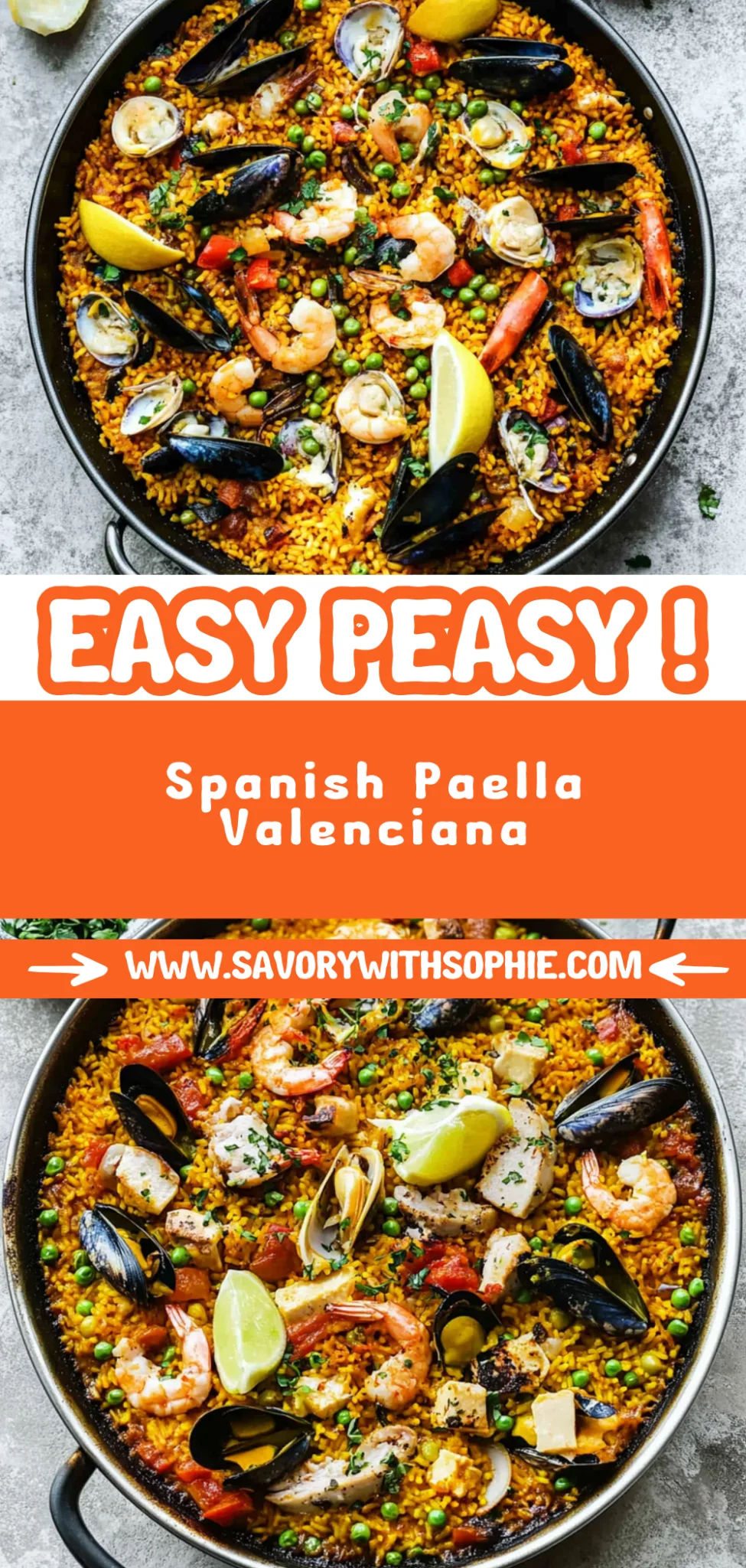
Are you ready to see how straightforward it is to make the Spanish Paella of your dreams??
1. PREPARE THE BASE
Let’s get that flavor foundation going!
1. Heat – Start by heating 2 tablespoons of olive oil in a paella pan over medium heat. Once the oil is shimmering, add 200 g of chicken thighs and 200 g of sliced chorizo sausage. Cook them until they’re beautifully browned all over, which should take about 5-7 minutes. The chicken should be golden and the chorizo will release its spicy aroma, infusing the oil with flavor.
2. Add – Next, toss in 1 medium chopped onion, 1 medium chopped red bell pepper, and 3 cloves of minced garlic. Sauté these veggies until they are softened and fragrant, which will take about 5 minutes. This step builds an aromatic base for your paella!
HANDY TIPS
- 💡 TIP: If you want a bit more depth, feel free to add some smoked paprika or a pinch of cayenne when you add the vegetables.
- ❓ Why does this matter? Because browning the meat first creates a deeper flavor profile that makes your paella irresistible!
2. COOK THE RICE
Now it’s time for that perfect rice!
3. Stir – Add 300 g of Bomba rice to the pan along with the saffron threads soaked in warm water and 1 teaspoon of paprika (smoked or sweet). Stir everything well to ensure the rice is coated with the oil and spices, which helps it absorb all those wonderful flavors.
4. Pour – Carefully pour in 1 liter of chicken broth (or seafood broth) and bring it to a boil. Once boiling, reduce the heat to low and let it simmer for 15 minutes without stirring! This is crucial because you want the rice to develop that desirable socarrat (crispy bottom).
HANDY TIPS
- 💡 TIP: If using seafood broth, it adds an extra layer of umami flavor that pairs delightfully with shrimp and mussels!
- ⚠️ Don’t stir during simmering — this lets the rice form a crust at the bottom for that authentic paella experience!
3. ADD SEAFOOD
Let’s elevate this dish with some delicious seafood!
5. Add – After simmering for 15 minutes, gently add your shrimp (200 g peeled and deveined), cleaned mussels (200 g), and 200 g of green peas on top of the rice. Cover the pan with a lid or aluminum foil and cook for another 10 minutes on low heat until the seafood is cooked through and the rice is tender.
HANDY TIPS
- 💡 TIP: Make sure your mussels are fresh! They should close tightly when tapped; if they’re open before cooking, discard them.
- ❓ Why does this matter? The timing here ensures your shrimp stay juicy while your mussels open perfectly!
4. SERVE
The moment you’ve been waiting for!
6. Remove – Once done cooking, remove from heat and let your paella rest for about 5 minutes covered — this allows flavors to meld together beautifully! Finally, garnish with freshly chopped parsley and lemon wedges before serving.
Make sure each plate gets a good mix of everything!
HANDY TIPS
- 💡 TIP: Squeeze fresh lemon juice over each serving for an extra zing!
- ⚠️ Be cautious when uncovering; hot steam will escape!
You’ve just made a beautiful Spanish Paella bursting with flavor! From hearty chicken to succulent seafood, every bite is an adventure waiting to happen! You’ve turned simple ingredients into an impressive feast that’s perfect for sharing (or keeping all to yourself!). Make this once, and I wager they will invade your dreams every night too! – Nagi x
FAQ – Spanish Paella
🍽️ How long will leftover Spanish paella keep in the fridge?
Leftover Spanish paella can be stored in the fridge for up to 3 days. However, I recommend consuming it within the first 2 days for the best flavor and quality. After day 2, it will still be safe to eat, but I’d say it’s only about 85% as good due to the texture of the rice and seafood changing. To reheat, simply microwave it or warm it on the stovetop with a splash of broth to revive its moisture.
⏱️ Can I skip letting the paella rest before serving?
No, you can’t skip this step! Letting your paella rest for about 5 minutes after cooking is crucial. This resting period allows the flavors to meld beautifully and helps with moisture absorption, making the rice less mushy. Trust me, I’ve tried serving it immediately, and while still delicious, it just doesn’t have that perfect consistency!
❄️ Can I freeze Spanish paella?
Yes, you can freeze Spanish paella! To do this effectively:
- Allow the dish to cool completely.
- Portion it into airtight containers or freezer bags (make sure to remove as much air as possible).
- It will keep well in the freezer for about 2 months. When you’re ready to enjoy it again, thaw it overnight in the fridge and reheat gently on the stove or in the microwave with a little added broth.
🌾 Is there a way to make this recipe gluten-free?
Absolutely! To make your Spanish paella gluten-free, simply ensure that your chorizo sausage is gluten-free (some brands may add fillers containing gluten). Additionally, stick with Bomba rice or another certified gluten-free short-grain rice. The other ingredients like chicken and seafood are inherently gluten-free too!
🥕 Can I substitute chicken thighs with something else?
Definitely! If you’re not a fan of chicken thighs or want a different protein option, you can substitute them with:
- Boneless chicken breast (though they might dry out faster)
- Duck for a richer flavor
- Even tofu if you’re looking for a vegetarian alternative (just add it later in the cooking process).
Just keep in mind that each substitute will slightly alter the overall flavor profile of your paella.
🔍 Why do we need to soak saffron before adding it?
Soaking saffron threads before adding them to your dish is essential—this step helps to release their vibrant color and rich aromas more effectively. I usually soak them in warm water for at least 10 minutes before use. If you skip this step, you may find that your paella lacks that signature saffron flavor and beautiful golden hue!
🧑🍳 Did you really test this recipe multiple times?
Yes, I absolutely did! In fact, I’ve made this Spanish paella at least 15 times during recipe development. Each time helped me fine-tune cooking times, ingredient ratios, and techniques so you can recreate an authentic experience without any guesswork. Trust me when I say that every bite is worth all that effort!
Troubleshooting
I will continue to add more to this Troubleshooting section as I start seeing questions coming through from people who have made the recipe.
Troubleshooting tips
“My paella turned out too dry! 😭”
- You may have used too much rice or not enough broth. Since Bomba rice absorbs a lot of liquid, ensure you’re using the correct ratio of 300 g of rice to 1 liter of broth for perfect moisture.
- If you reduced the heat too low while simmering, it can lead to the liquid evaporating too quickly. Always keep an eye on it during cooking!
- I bet it was still YUM though!
“The bottom of my paella is burnt! 🔥”
- This often happens if the heat is too high when cooking the rice. Make sure to simmer on low after bringing it to a boil, as high heat can scorch the rice at the bottom.
- Not using enough olive oil can also cause sticking and burning. Be generous with that 2 tbsp for even cooking.
- I bet it was still YUM though!
“My shrimp turned out rubbery and tough! 😩”
- Overcooking shrimp is a common mistake, as they only need a few minutes to cook through. Add them in at the right time and watch closely during those last 10 minutes!
- If your paella pan was overcrowded, it can lead to uneven cooking. Make sure there’s plenty of space for your seafood to cook evenly.
- I bet they were still YUM though!
“The rice is mushy and clumpy! 😱”
- This could happen if you stirred the rice after adding the broth. Remember, once you pour in the broth, do not stir—it’s key for getting that perfect texture!
- Using different rice types can also affect the outcome. Stick with short-grain like Bomba for best results.
- I bet it was still YUM though!
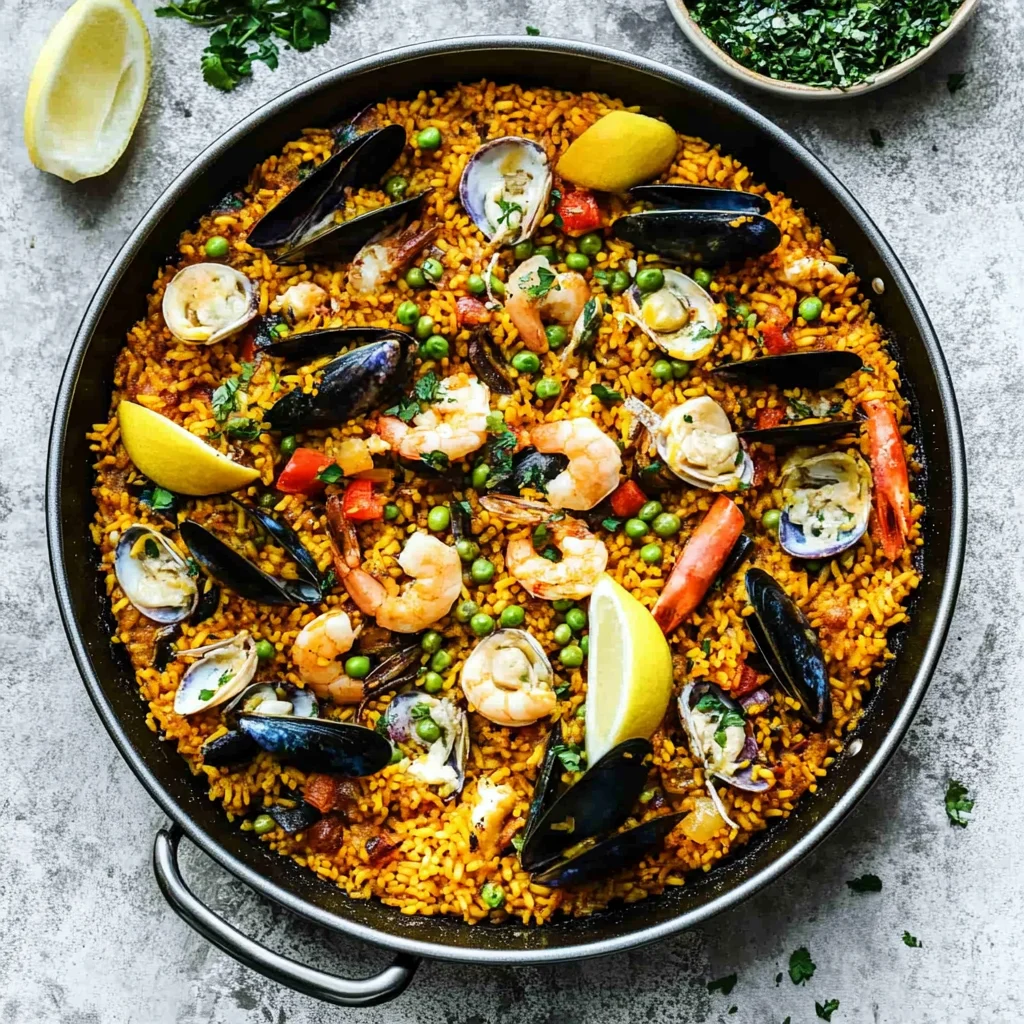
Spanish Paella
Ingredients
Method
- Heat olive oil in a paella pan over medium heat. Add the chicken and chorizo, cooking until browned.
- Add onion, red bell pepper, and garlic. Sauté until softened, about 5 minutes.
- Stir in the rice, saffron, and paprika, mixing well to coat the rice with the oil and spices.
- Pour in the chicken broth and bring to a boil. Reduce heat to low and simmer for 15 minutes without stirring.
- After 15 minutes, add shrimp, mussels, and green peas on top of the rice. Cover and cook for an additional 10 minutes until seafood is cooked and rice is tender.
- Remove from heat and let it rest for 5 minutes. Garnish with parsley and lemon wedges before serving.