Wild Rice Harvest Bowls with Fig Balsamic Vinaigrette: Ir…
I first stumbled upon the idea for these Wild Rice Harvest Bowls with Fig Balsamic Vinaigrette at a cozy little café that’s become my second home. With the autumn leaves swirling around me, I took one bite of their vibrant bowl and was instantly captivated by the perfect blend of nutty wild rice, seasonal veggies, and that irresistible fig balsamic dressing. I couldn’t shake off the craving, but when I checked the price tag, I thought, “I can totally make this better—and for way less!” So, I set out on a culinary mission to recreate that warm, comforting bowl of goodness right in my kitchen.
Let me tell you, it wasn’t love at first taste! I tried making these bowls three times before I finally got it right—yes, three! My kitchen looked like a vegetable graveyard after each attempt. The first try was too bland; the second was an explosion of flavors that didn’t quite meld together. Each iteration had me tweaking and adjusting like a mad scientist until I could finally put together something worthy of sharing. My goal? To balance all those lovely textures and flavors while making sure that fig balsamic vinaigrette packed just the right punch without overpowering everything else.
But boy, was it worth all those trials! The final result is nothing short of spectacular: a bowl brimming with chewy wild rice, tender seasonal vegetables, and that tangy fig balsamic vinaigrette that ties it all together beautifully. It’s got this amazing combination of textures—crunchy veggies against the soft rice—and the flavors dance on your palate in the best way possible. Trust me; once you take a bite of these Wild Rice Harvest Bowls with Fig Balsamic Vinaigrette, you’ll be hooked! So grab your apron and let’s get cooking—you won’t regret it!
These Wild Rice Harvest Bowls with Fig Balsamic Vinaigrette are…
…a celebration of flavor and texture that will elevate your meal prep game to new heights!
1. They have a nutty, earthy flavor that’s truly exceptional, thanks to the wild rice cooked in vegetable broth. This not only enhances the rice’s natural taste but also infuses it with a depth that complements the sweetness of roasted butternut squash and the slight bitterness of brussels sprouts.
2. The perfectly roasted vegetables create a delightful contrast in texture, with tender bites of butternut squash and crispy edges on the brussels sprouts. This combination adds both softness and crunch, making each mouthful a delicious experience.
3. A key roasting technique ensures maximum flavor and caramelization of the veggies. By tossing them in olive oil, salt, and pepper before roasting, I found that it brings out their natural sweetness while achieving a golden-brown exterior that’s irresistibly enticing.
4. These bowls offer incredible value as they are made from easily accessible ingredients that are both nutritious and budget-friendly. With minimal effort, you can create a wholesome meal at home that rivals any gourmet dish, saving you money while nourishing your body.
PS These Wild Rice Harvest Bowls with Fig Balsamic Vinaigrette serve about 4 generous portions, making them perfect for meal prep or sharing with friends!
Ingredients for the Wild Rice Harvest Bowls with Fig Balsamic Vinaigrette
Each ingredient in this dish plays an essential role in flavor and texture. Here’s what you’ll need:
- 1 cup wild rice (rinsed and drained): Provides a nutty base with a chewy texture that complements the vegetables.
- 3 cups vegetable broth (or water): Infuses the wild rice with rich, savory flavor during cooking.
- 1 cup butternut squash (peeled and cubed): Adds natural sweetness and vibrant color to the bowl.
- 1 cup brussels sprouts (halved): Offers earthy notes and a satisfying crunch when roasted.
- 1 cup red onion (sliced): Contributes a slight sweetness and depth of flavor that caramelizes beautifully.
- 2 tablespoons olive oil (for roasting): Enhances the roasting process, bringing out the flavors of the vegetables.
- 1 teaspoon salt (to taste): Balances flavors and enhances the overall taste of the dish.
- 1 teaspoon black pepper (to taste): Adds warmth and a hint of spice to elevate the flavors.
You MUST simmer the wild rice for 45 minutes. No shortcuts!
I tried to find a way around this simmering time, I really did! But believe me when I say, if you cut this corner, you’ll end up with a grainy mess that could ruin your beautiful Wild Rice Harvest Bowls. Trust me — I learned the hard way (several times over 😅).
Simmering the wild rice for an adequate amount of time is crucial. It allows the grains to absorb all that flavorful vegetable broth, transforming them from hard little nuggets into plump, tender morsels that serve as the perfect base for your bowl. Think of it like letting a sponge soak up water — if you rush it, you’re just left with something dry and disappointing.
What does simmering wild rice do?
- Flavour — Simmering allows the rice to absorb all the goodness from the vegetable broth, giving it a depth of flavour that’s unbeatable.
- Texture — The long cooking time ensures that each grain becomes tender while retaining a satisfying chewiness that contrasts beautifully with roasted veggies.
- Nutritional Value — Cooking wild rice properly enhances its digestibility and ensures you’re getting all those fabulous nutrients.
- Even Cooking — A steady simmer guarantees all grains cook at the same rate, preventing any from being undercooked or mushy.
- Moisture Content — Properly simmered rice holds onto moisture better, making every bite delightful rather than dry and crumbly.
Different simmering times
- 20 minutes (okay) — Some grains might be slightly undercooked; still edible but lacking in that delicious tender texture.
- 30 minutes (good) — Better but not optimal; some grains remain chewy while others start to break down.
- 40 minutes (very good) — Most grains are perfectly cooked; achieving a nice balance of tenderness and chew.
- ⭐️ 45 minutes ⭐️ — This is where magic happens! Perfectly fluffy wild rice ready to soak up your vinaigrette and pair beautifully with your roasted veggies.
If you think you can skip the full 45 minutes for a quick dinner, think again! The most common mistake is undercooking the wild rice. Cut corners here, and your harvest bowls will fall flat. Don’t risk it!
How to make Wild Rice Harvest Bowls with Fig Balsamic Vinaigrette
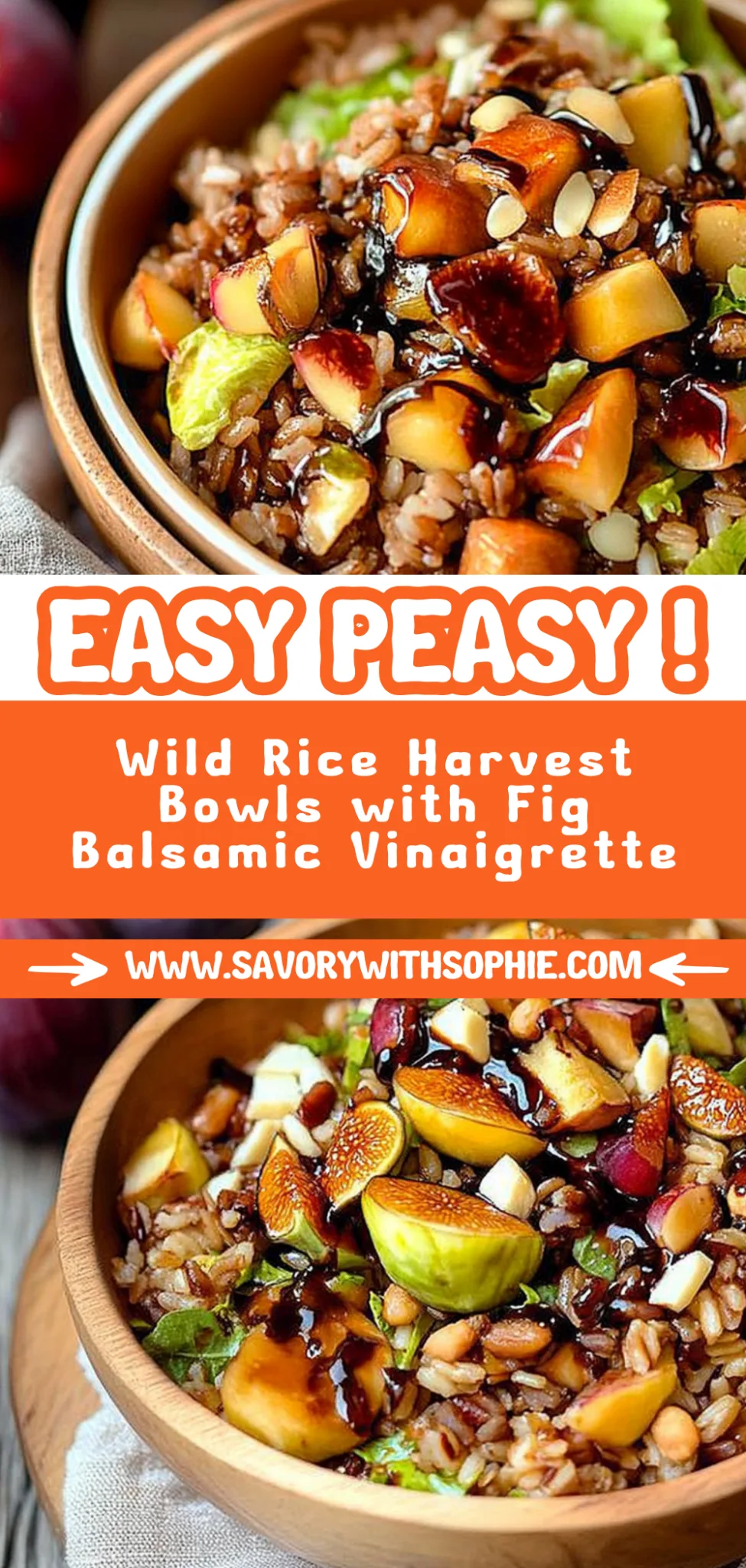
Are you ready to see how straightforward it is to make the Wild Rice Harvest Bowls with Fig Balsamic Vinaigrette of your dreams??
1. PREPARE THE WILD RICE
Start with a deliciously nutty base that sets the stage for all those vibrant toppings!
1. COMBINE – In a medium pot, combine 1 cup of rinsed and drained wild rice with 3 cups of vegetable broth. Bring the mixture to a boil over medium-high heat.
2. SIMMER – Once boiling, reduce the heat to low, cover the pot, and let it simmer for 40-45 minutes until the rice is tender and has absorbed most of the liquid.
3. FLUFF – After cooking, remove from heat and fluff the rice gently with a fork. Set aside while you prepare the roasted vegetables.
HANDY TIPS
- 💡 TIP: Make sure to rinse your wild rice thoroughly before cooking; it helps remove excess starch and ensures a fluffier texture!
- 💡 TIP: You can cook extra wild rice for another meal – it keeps well in the fridge for up to 5 days!
2. ROAST THE VEGETABLES
Roasting brings out the natural sweetness in your veggies, creating that perfect caramelization!
1. PREHEAT – Preheat your oven to 400°F (200°C).
2. TOSS – On a large baking sheet, toss together 1 cup of cubed butternut squash, 1 cup of halved brussels sprouts, and 1 cup of sliced red onion with 2 tablespoons of olive oil, along with 1 teaspoon each of salt and black pepper.
3. ROAST – Spread the vegetables out in a single layer on the baking sheet and roast for about 20-25 minutes or until they are tender and beautifully caramelized.
HANDY TIPS
- 💡 TIP: Check on your vegetables halfway through roasting – give them a gentle toss for even cooking and browning!
- 💡 TIP: Love crispy edges? Use a higher oven rack for more direct heat on your veggies!
3. MAKE THE VINAIGRETTE
The tangy fig balsamic vinaigrette adds an amazing depth of flavor to your bowls!
1. WHISK – In a large mixing bowl, whisk together 1/4 cup of fig preserves (or fig jam), 2 tablespoons of balsamic vinegar, and 1/4 cup of olive oil.
2. ADD FLAVORS – Add in 1 teaspoon of Dijon mustard, one minced garlic clove, along with salt and pepper to taste (about 1/2 teaspoon salt and 1/4 teaspoon black pepper). Continue whisking until smooth.
HANDY TIPS
- 💡 TIP: Feel free to add more or less fig preserves depending on how sweet you like your dressing!
- 💡 TIP: This vinaigrette can be made ahead of time; just store it in an airtight container in the fridge for up to a week.
4. ASSEMBLE THE BOWLS
Now comes the fun part—layering all those beautiful ingredients into bowls!
1. LAYER – In serving bowls, start by layering in the wild rice as your base.
2. ADD VEGGIES – Next, add generous portions of roasted vegetables on top.
3. TOP IT OFF – Then sprinkle with baby spinach, pomegranate seeds, crumbled feta cheese, and toasted pumpkin seeds for crunch.
4. DRIZZLE – Finally, drizzle your homemade fig balsamic vinaigrette over each bowl before serving.
HANDY TIPS
- 💡 TIP: Feel free to mix up your toppings! Swap feta for goat cheese or add nuts like walnuts for added texture.
- 💡 TIP: For an extra burst of color and flavor, toss some fresh herbs such as parsley or cilantro into your bowls!
With these steps completed, you’ve created a stunning Wild Rice Harvest Bowl that’s not only nutritious but also bursting with flavor! Each bite offers delightful textures from crispy veggies to creamy feta—what’s not to love? Make these once, and I wager they will invade your dreams every night too! – Nagi x
FAQ – Wild Rice Harvest Bowls with Fig Balsamic Vinaigrette
How long can I store leftover Wild Rice Harvest Bowls?
Leftover Wild Rice Harvest Bowls can be stored in an airtight container in the refrigerator for up to 4 days. After day 1, the quality starts to diminish slightly; I’d say they’re about 95% as good on day 2, 90% on day 3, and around 85% on day 4. If you notice any off smells or textures, it’s best to discard them. Just remember that freshness is key for those vibrant flavors!
⏳ Can I skip resting the wild rice after cooking?
No, you can’t skip resting the wild rice! After simmering for 40-45 minutes, it’s essential to let the rice sit for about 10 minutes before fluffing it with a fork. This resting period allows the grains to firm up and helps prevent mushiness. Trust me, I’ve tried skipping this step, and the texture was just not as delightful.
❄️ Can I freeze these bowls for later?
Absolutely! You can freeze the Wild Rice Harvest Bowls, but it’s best to do so without the toppings and vinaigrette for optimal freshness. To freeze:
- Allow the bowls to cool completely.
- Place in airtight containers and store in the freezer for up to 3 months.
- To thaw, transfer to the fridge overnight or use the microwave’s defrost setting. When ready to eat, reheat until piping hot and then add fresh toppings. This way, you’ll enjoy that freshly roasted vegetable taste!
🌱 Is this recipe vegan or vegetarian-friendly?
Yes! The Wild Rice Harvest Bowls are both vegetarian and vegan if you omit or substitute the feta cheese with a plant-based version or simply leave it out altogether. The combination of wild rice, seasonal vegetables, and fig balsamic vinaigrette packs a flavor punch without any animal products (unless you choose to add cheese). It’s a nutrient-rich option that everyone can enjoy!
🥕 What can I substitute for wild rice?
If you don’t have wild rice on hand or prefer something different, you can substitute it with brown rice or quinoa. Keep in mind:
- Brown rice will require about 45-50 minutes of cooking time.
- Quinoa cooks faster at around 15 minutes, so adjust liquid accordingly (2 cups water for every cup of quinoa).
Using these alternatives will create a different texture but still deliver delicious results.
🔥 Why do I need to roast the vegetables at such a high temperature?
Roasting vegetables at 400°F (200°C) caramelizes their natural sugars and enhances their flavors significantly. This high heat creates that wonderful golden-brown exterior while keeping them tender inside. If you roast at a lower temperature, they may steam rather than caramelize — which is just sad because we want all that flavor!
🍇 Can I customize the toppings in this recipe?
Definitely! The beauty of these bowls lies in their versatility. You can swap out toppings based on your preferences or what’s in season:
- Try using arugula instead of spinach for a peppery kick.
- Add nuts like walnuts or pecans instead of pumpkin seeds.
- Fresh herbs like parsley or cilantro can also elevate flavors beautifully!
Feel free to get creative—there are no wrong choices here!
Troubleshooting
I will continue to add more to this Troubleshooting section as I start seeing questions coming through from people who have made the recipe.
Troubleshooting tips
“My wild rice came out mushy! 😩”
- You may have cooked the wild rice for too long or used too much liquid. Wild rice generally needs about 40-45 minutes to cook, so if you left it simmering longer than that, it can become mushy.
- Using too much broth can also lead to soggy rice. Stick to the 3 cups of broth for 1 cup of wild rice for the best texture.
- I bet it was still YUM though!
“My roasted vegetables are burnt on the outside but raw inside! 🔥”
- If your oven temperature is too high or your vegetables are cut unevenly, they can brown too quickly on the outside while remaining undercooked inside. Make sure to cut your butternut squash, brussels sprouts, and red onion into similar sizes for even cooking.
- Also, ensure they are spread out in a single layer on the baking sheet; overcrowding can trap steam and lead to uneven cooking.
- I bet they were still YUM though!
“The vinaigrette turned out too thick and sticky! 😕”
- If you accidentally used more fig preserves than the recipe calls for (stick to 1/4 cup), your vinaigrette will be overly thick. Adjust by adding a bit more balsamic vinegar or olive oil until you reach your desired consistency.
- If you didn’t whisk it thoroughly enough, it might not emulsify properly, leading to a sticky texture. Just give it a good whisk next time!
- I bet it was still YUM though!
“My wild rice isn’t fluffy at all! It’s clumpy and sticky! 😬”
- This can happen if the rice is stirred too much during cooking or if you didn’t rinse it well before cooking. Rinsing removes excess starch that can cause clumping, so make sure to rinse and drain your wild rice thoroughly before cooking!
- Fluffing with a fork after cooking helps separate the grains; avoid using a spoon as it can mash them together.
- I bet it was still YUM though!
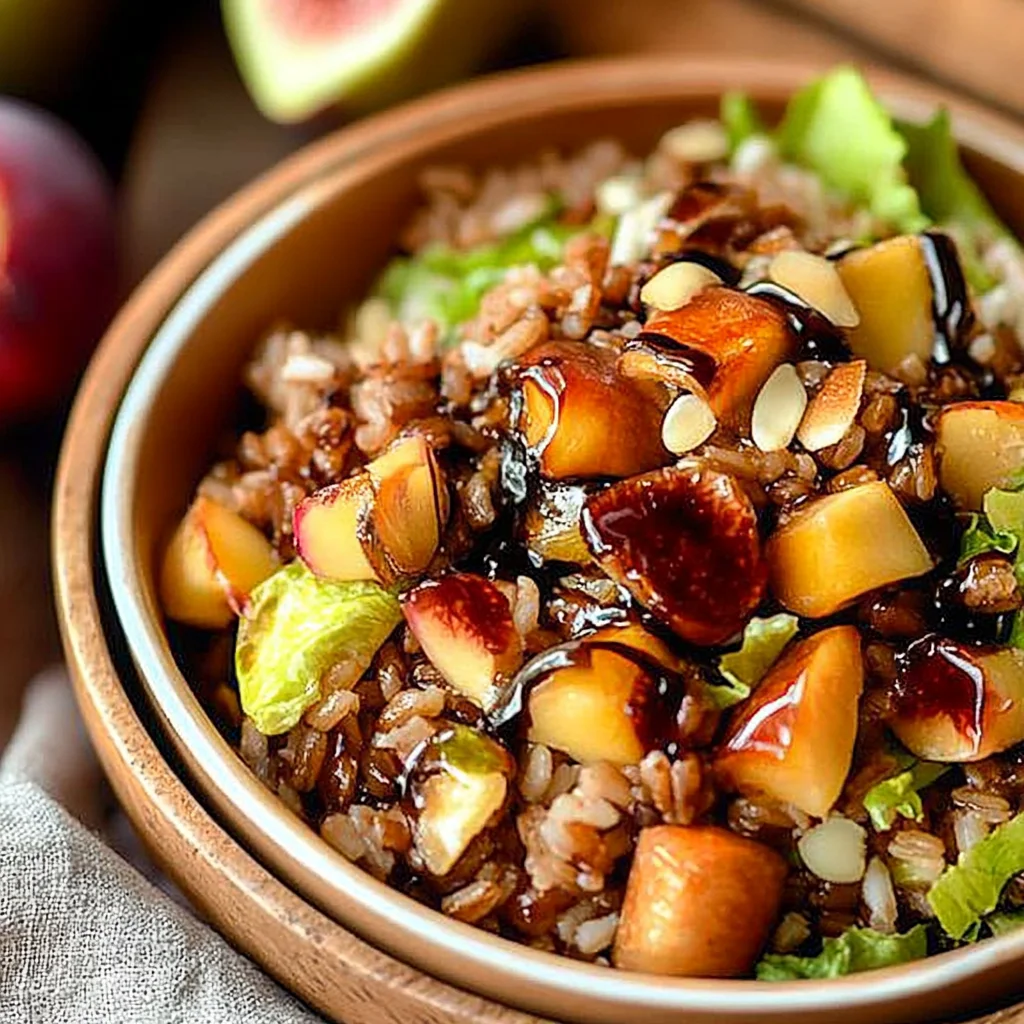
Wild Rice Harvest Bowls with Fig Balsamic Vinaigrette
Ingredients
Method
- In a medium pot, combine wild rice and vegetable broth. Bring to a boil, then reduce heat to low, cover, and simmer for 40-45 minutes until rice is tender.
- Once cooked, fluff the rice with a fork and set aside.
- Preheat the oven to 400°F (200°C).
- On a baking sheet, toss butternut squash, brussels sprouts, and red onion with olive oil, salt, and pepper.
- Spread the vegetables in a single layer and roast for 20-25 minutes, or until tender and caramelized.
- In a large mixing bowl, whisk together fig preserves, balsamic vinegar, olive oil, Dijon mustard, minced garlic, salt, and pepper until smooth.
- In serving bowls, layer the wild rice, roasted vegetables, baby spinach, pomegranate seeds, feta cheese, and pumpkin seeds.
- Drizzle with fig balsamic vinaigrette before serving.