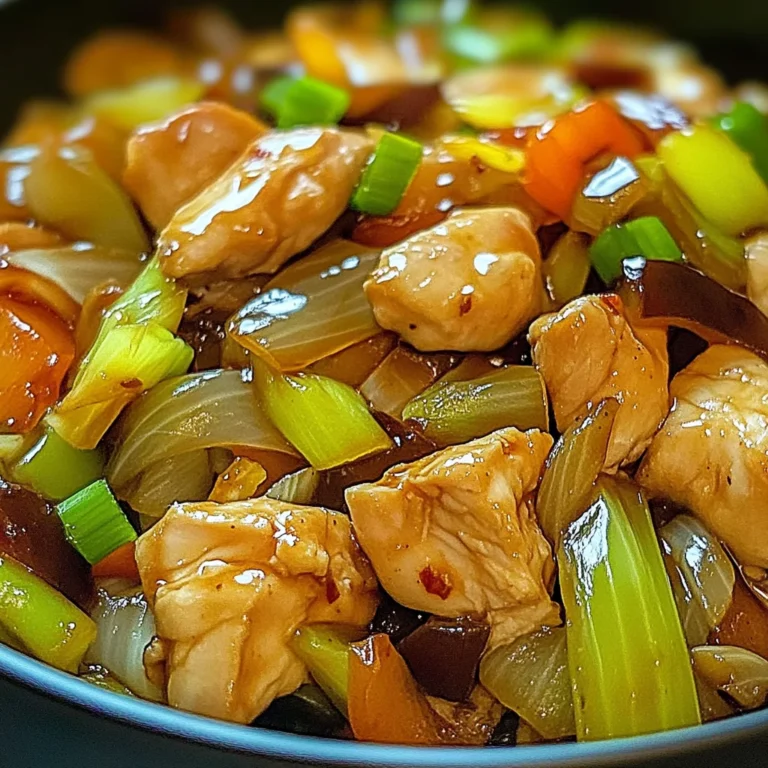
Dan Dan Mian
There’s something undeniably magical about a bowl of Dan Dan Mian. As I take a moment to breathe in the fragrant steam rising, I can almost hear the bustling streets of Sichuan, where this delightful dish hails from, alive with chatter and laughter. Each slurp of these noodles envelops me in a tapestry of flavors—spicy, nutty, and utterly intoxicating. This isn’t just a meal; it’s an experience that bridges tradition and innovation, inviting us to savor every bite while connecting with a rich cultural heritage. The creamy tahini or peanut butter mingles beautifully with the heat of chili oil, while the crunch of crushed peanuts provides that satisfying texture contrast. Trust me when I say that making Dan Dan Mian at home is not just about cooking—it’s about creating memories around your dining table.
When you embark on this culinary journey, you’ll find that each ingredient has its own story to tell. The vibrant colors and unique aromas will awaken your senses, turning your kitchen into a lively arena of gastronomic exploration. From the initial marinating of the meat or tofu to the final sprinkle of green onions and peanuts, every step whispers secrets passed down through generations. It’s a dish that invites you to experiment and personalize—perhaps a little more chili oil if you love heat, or some tender greens for freshness. This is your canvas! Here’s my promise: once you master this recipe, it will become one of your go-to favorites, perfect for cozy nights in or impressing friends at dinner parties.
Dan Dan Mian: A Spicy Symphony of Flavors
This comforting dish is not only simple to prepare but also delivers an explosion of flavors that will leave your taste buds dancing. Picture yourself seated at a bustling street-side stall in Chengdu, where each bowl is served steaming hot and overflowing with bold tastes. With just a handful of ingredients and a little love, you’ll create an unforgettable meal that’s sure to warm your heart and soul.
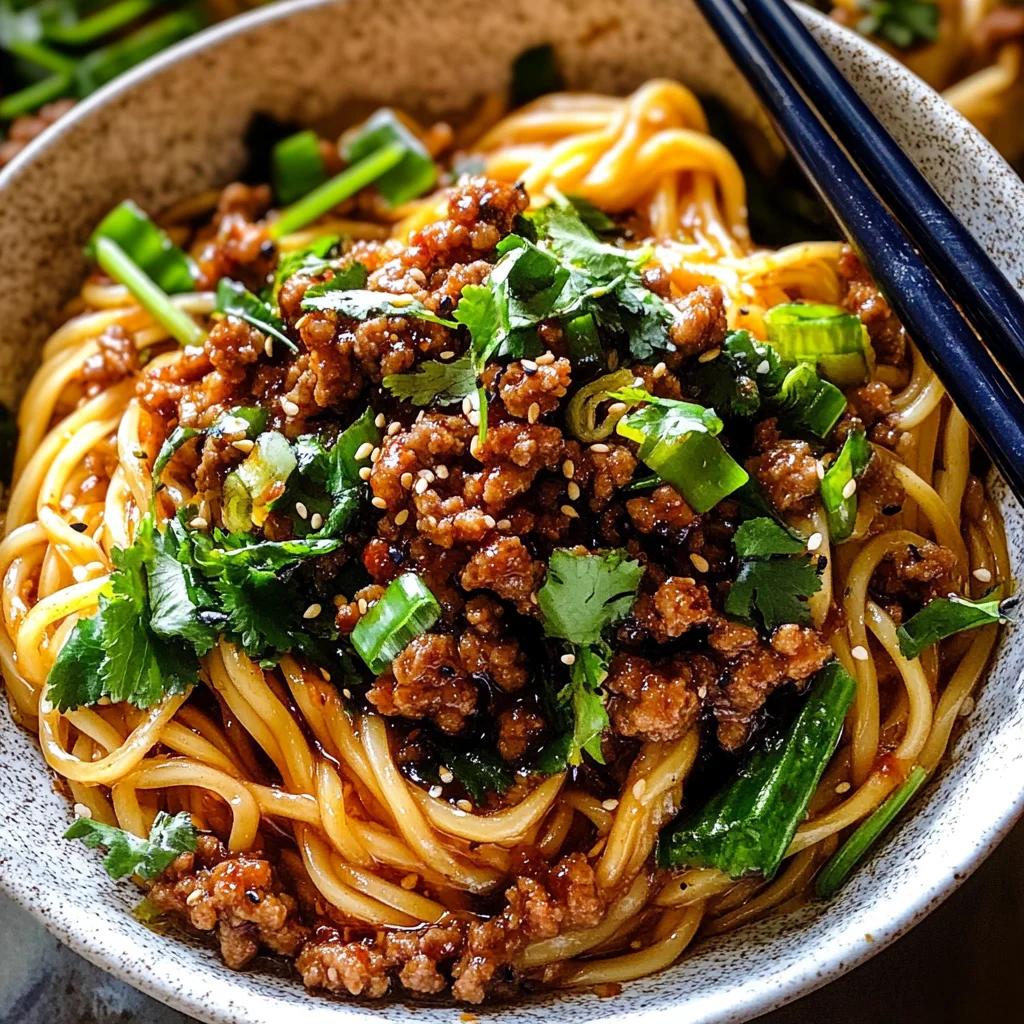
Ingredients:
As we dive into crafting our Dan Dan Mian together, let’s take a moment to appreciate the essential ingredients that will bring this dish to life. Each component plays a pivotal role in creating that harmonious blend of flavors.
- 1/2 lb ground beef, chicken, or crumbled tofu: This protein serves as the backbone of our dish, providing richness and depth. If you’re opting for beef or chicken, choose ground meat with a bit of fat for flavor; leaner cuts can make it dry during cooking. Crumbled tofu is an excellent alternative for those seeking plant-based options—it absorbs flavors beautifully while adding texture that complements the noodles perfectly.
- 1 tbsp chopped garlic (approximately 3 cloves garlic): Garlic is nothing short of a superstar in this recipe! It brings warmth and aromatic depth that elevates every other ingredient in our dish. When chopped finely, it releases its essential oils and infuses the meat with flavor as it cooks; I suggest using fresh garlic whenever possible because pre-minced varieties just can’t compete.
- 1 tsp chopped ginger: A touch of ginger adds an invigorating zing to our noodles—its bright flavor cuts through the richness beautifully. In addition to taste, ginger brings health benefits too! Look for firm pieces with smooth skin when selecting fresh ginger; avoid any that appears shriveled or has dark spots.
- 1 tbsp soy sauce: This liquid gold enhances umami in our dish like nothing else can! It deepens flavors while adding saltiness without overwhelming other components. Opt for low-sodium soy sauce if you’re watching your salt intake; it still delivers all those savory notes without excess sodium.
- 1 tbsp shaoxing apple vinegar (or dry apple juice/rice apple vinegar): The tangy acidity from vinegar balances out the richer elements perfectly—it’s absolutely paramount! If you can’t find shaoxing vinegar (a Chinese rice wine), dry apple juice works wonderfully as a substitute here; just keep an eye on sweetness levels.
- Pinch of black pepper: This seemingly simple seasoning adds warmth and complexity without stealing the show from other flavors. Just remember—the quality matters! Freshly cracked black pepper gives you much more aromatic punch than pre-ground varieties.
- 1 tbsp cooking oil: Oil helps achieve that coveted sear when stir-frying; it’s crucial for creating texture as well as flavor. I recommend using neutral oils like grapeseed or vegetable oil so they don’t overpower other ingredients.
- 2 oz Chinese preserved mustard green (chopped): These pickled greens introduce sharpness and crunch—like a zesty surprise in every bite! You can easily substitute them with any pickled mustard green or even kimchi if Chinese mustard greens aren’t available; just remember to rinse them first!
- 1 tsp chopped garlic (approximately 2 cloves garlic): Yes, we’re doubling down on garlic here because who doesn’t love more flavor? This second round is added directly into our sauce mixture to ensure every layer bursts with deliciousness!
- 2 tbsp tahini (preferably made with toasted sesame seeds) or peanut butter: Here comes our creamy element! Tahini adds nuttiness while imparting silky smoothness; it’s important to use toasted tahini because it brings out deeper flavors compared to raw sesame paste! If you’re leaning towards peanut butter instead—go for natural varieties without added sugars or oils for best results.
- 1 1/2 tbsp soy sauce: We’re returning again for another splash! The marriage between soy sauce and tahini/peanut butter creates a luscious sauce that clings lovingly onto those noodles.
- 1 tsp dark soy sauce: Dark soy sauce contributes color and sweetness while enhancing depth—this step is non-negotiable if you want beautiful presentation alongside superb flavor!
- 3 tbsp chili oil with chili flakes: Spice lovers rejoice! Chili oil brings heat like no other ingredient can while also imparting gorgeous color—a true visual feast! Feel free to adjust based on your preference but do be warned—the balance between spicy and savory must be preserved!
- 1 to 3 tsp toasted ground Sichuan peppercorns: Known for their unique numbing sensation paired with citrus notes—they elevate this dish beyond expectations! Start small if you’re new to them; gradually increase until desired spice level achieved!
- 1/2 tbsp sugar: Sweetness counters spiciness wonderfully—it softens harsh edges without making things overly sweetened like traditional desserts would!
- 2 portions fresh egg noodles or spaghetti: While traditional recipes call specifically for egg noodles—don’t fret if unavailable—as long as they cook up al dente (with some bite!), spaghetti will work just fine!
- Handful of yu choy, bok choy, napa cabbage, or any green leafy vegetables: These add freshness while balancing out richer elements within our bowl—it’s good practice never forget veggies!
- 3 Tbsp sauce (approximately half): The magic mix we created earlier needs room in our bowls before piling on those noodles!
- 1/4 cup hot chicken or veggie broth: Adding broth around edges creates steam which helps meld everything together beautifully while keeping things cozy-warm upon serving!
- Chopped green onion: Bright splashes bring color along with mild oniony essence—we’ll sprinkle these generously atop finished bowls!
- Crushed peanuts or sesame seeds for garnish: Crunch factor alert! Adding these at end not only beautifies plate but provides satisfying texture contrast alongside creamy aspects already present within dish itself!
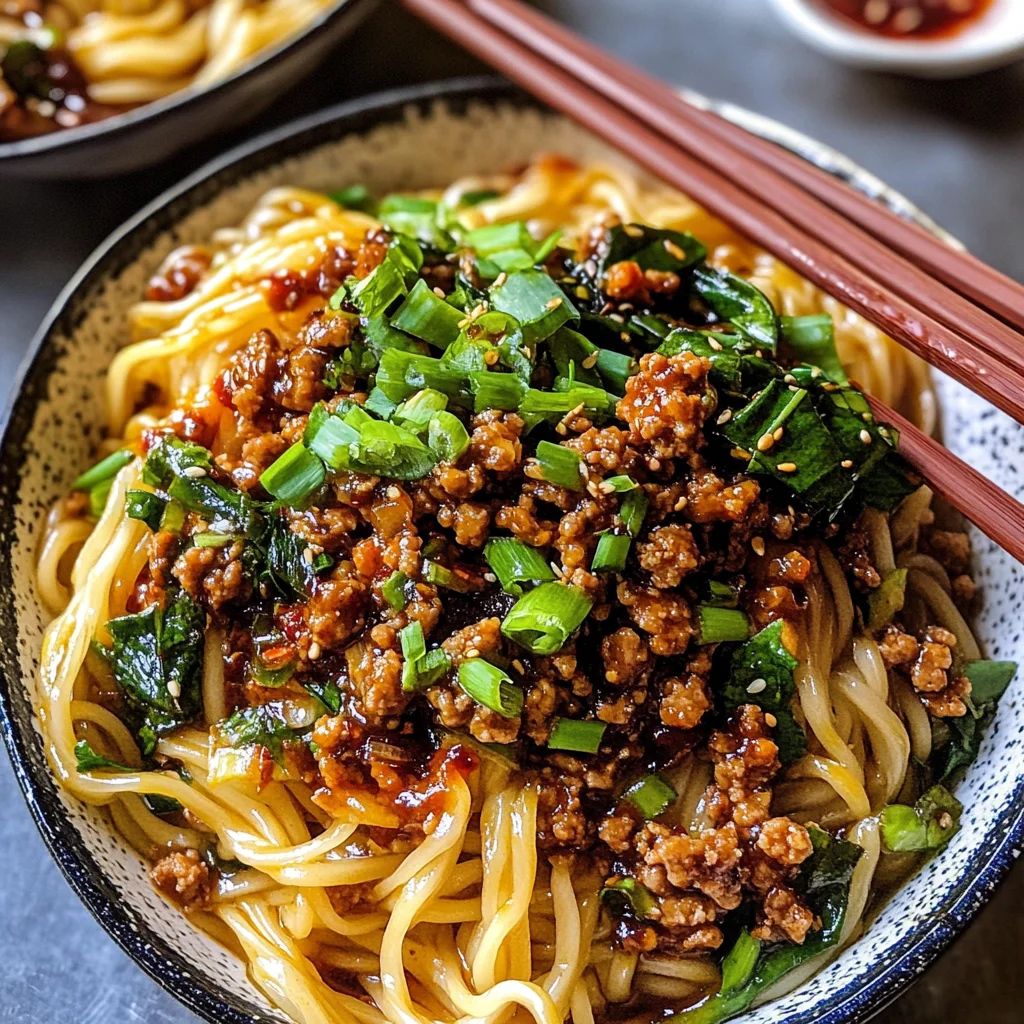
Equipment You’ll Need:
To create this delectable Dan Dan Mian masterpiece successfully requires some essential tools—think of them as trusty companions accompanying us on this culinary adventure! Having the right equipment not only makes preparation smoother but also elevates results significantly.
- Wok: An absolute must-have here due its high sides allowing even distribution while stir-frying over high heat—the key technique behind getting those wonderful browning effects on both meat/tofu plus vegetables alike! If you don’t have one handy though—a large skillet works too—the goal being sufficient surface area ensures proper searing occurs without overcrowding pan!
- Mixing bowls: For assembling sauces & marinating proteins prior cooking process—they come handy when multitasking during prep stage allowing organization throughout entire endeavor leading up final creation stage later on!
- Sharp knife: Essential tool when chopping veggies & proteins steadily; ensuring uniformity means better cooking results overall establishing even textures achieved across entire dish combined together harmoniously once plated finally ready serve others enjoy too…
- Cutting board: A clean surface makes chopping easier—and safer too! Opting for plastic boards may offer advantages since they’re dishwasher safe compared wooden counterparts requiring extra maintenance care over time preventing bacteria buildup happening easily within grooves surfaces left behind after daily use thus keeping things sanitary always top priority.
Preparing the Dan Dan Mian
Step 1: Marinating Your Protein
Let’s kick off by giving our chosen protein some love through marination! In a mixing bowl large enough for everything we’ll be working with later on—including ground beef/chicken/crumbled tofu—combine all listed marinade ingredients aside from preserved mustard greens plus cooking oil together thoroughly stirring until evenly distributed throughout mixture formed now resting patiently awaiting next steps ahead…
Allow this beauty about ten minutes’ worth time soak up those incredible seasonings pouring life into otherwise plain protein base transforming into flavorful goodness ready engage further along journey hereupon reaching ultimate finish line soon enough…
Step 2: Crafting Our Sauce
While waiting patiently during marination phase—it’s perfect moment seize opportunity whip up tantalizing sauce base integral part whole experience coming alive soon after prepared noodles arrive steaming hot atop everything else layered below…
In another mixing bowl combine remaining sauces together including both types soy sauces alongside tahini/peanut butter sugar plus chili oil ensuring smooth consistency achieved before setting aside temporarily reserved expectantly until needed later down road…
Step 3: Stir-Frying Your Base
Once those ten minutes are up signifying marinated proteins ready hit wok over high heat drizzling tablespoon worth chosen cooking oil swirled around bottom covering surface evenly allowing meats/tofu sizzle immediately upon contact forming golden crust sealing moisture within each morsel protecting integrity texture throughout process ongoing till fully cooked approximately three-four minutes elapsed sight checking edges turning brown crisp signifying success reached here now add preserved mustard greens gently stirring incorporating everyone party happening inside…
Step 4: Cooking Those Noodles
Now onto perhaps most exciting part preparing noodles themselves following package directions precisely ensuring they achieve al dente perfection prior introducing leafy greens last minute boiling water moments before draining off excess liquid leaving behind pure starchiness eager soaking up all surrounding flavors soon forthcoming hot broth poured later edge bowls awaiting completion assembling final touches bringing entire vision fruition delightfully enjoyed shortly thereafter!
I can’t wait for you to try making this remarkable Dan Dan Mian at home—it truly embodies not just an ordinary meal but rather celebrates cultural heritage infused modern flair making experience extraordinary filled warmth happiness shared loved ones gathered around table relishing moments created through lovingly crafted food together always reminding us how special these connections are formed nourished shared experiences like none other enhancing lives overall enriching existence profoundly meaningful ways forever cherished unforgettable memories shared amongst friends family alike…
Step 5: Cooking the Noodles and Greens to Perfection
Now, let’s dive into the heart of your Dan Dan Mian with the noodles! This step is crucial because the noodles will act as a wonderful vessel for all those incredible flavors we’ve been building up. Start by bringing a large pot of salted water to a rolling boil—think of it as energizing your noodles, making them ready to absorb all that marvelous sauce we created earlier. Once the water is bubbling away, add in your fresh egg noodles or spaghetti, whichever you decided on. Follow the package instructions for cooking time—usually around 2 to 4 minutes for fresh noodles. Trust me when I say that you want them al dente; this means they should be firm to the bite but not hard at all.
Now here’s where it gets even more exciting: with just one minute left on the clock for the noodles, toss in your yu choy or any leafy green vegetable you prefer like bok choy or napa cabbage. This technique, known as blanching, is absolutely paramount because it allows the greens to become vibrantly green and tender while still retaining a little crunch and their beautiful nutrients. As soon as that minute is up, drain everything together in a colander—watch out for steam! And if you want an extra tip: give those greens a quick rinse under cold water to stop the cooking process immediately; this will keep their color bright and fresh.
Step 6: The Art of Assembly – Layering Flavors
With our noodles and greens now cooked beautifully, it’s time for one of my favorite parts: assembly! Grab your serving bowl, which will soon become a masterpiece of flavor and texture. Begin by adding half of that tantalizing sauce we prepared earlier; about three tablespoons should do the trick. This initial layer is so important because it ensures that each noodle strand gets coated with that utterly intoxicating mix right from the start—this is where flavor begins its dance! Then, gently lay those freshly cooked noodles on top; I love to use chopsticks or tongs for this part because they allow you to nestle the noodles without breaking them apart.
Next comes the blanched greens! Arrange them artfully atop your noodles; think of it as dressing a salad where every ingredient has its moment in the spotlight. This visual appeal not only makes your dish look stunning but also creates a lovely contrast in textures—the softness of the noodles paired with the crispness of those vibrant greens makes every bite feel like an experience rather than just a meal. Following this, pile on your beautifully sautéed beef mixture (or crumbled tofu if you’re going plant-based). And remember that liquid gold broth? Pour it carefully around the edges of your bowl; this keeps everything warm and also helps integrate all those fantastic flavors with each mouthful.
Step 7: Garnishing – A Touch of Magic
Now we’re almost there! What would Dan Dan Mian be without its final touches? Garnishing isn’t just about making things pretty—it adds layers of flavor and texture that elevates this dish from delightful to truly extraordinary. Start by sprinkling chopped green onions over your assembled bowl; their sharpness cuts through richness beautifully and brings freshness that dances on your palate. Then grab some crushed peanuts or sesame seeds for that much-needed crunch factor—this little detail transforms each bite into an adventure!
Take a moment to admire your creation before diving in. I promise you, nothing compares to seeing all those vibrant colors come together in one bowl, promising a symphony of flavors waiting patiently for you. And don’t be afraid—mix everything together before taking your first bite! This allows all those elements—the sauce, greens, beef (or tofu), and broth—to blend harmoniously into one delicious mouthful.
Step 8: The Final Taste Test – Adjusting Flavors
Before you sit down to enjoy this beautiful bowl of Dan Dan Mian you’ve lovingly crafted, let’s take a brief moment for what I consider an essential step—the taste test! Take a small spoonful from different parts of your bowl; pay attention to how each element complements one another. If it feels like something’s missing—maybe just a pinch more sugar or some extra chili oil—you can adjust accordingly right now before serving everyone else. Remember, flavor balancing is key here; sometimes dishes need just that tiny bit more seasoning or acidity from soy sauce or vinegar to really pop.
One very important thing to note here is that everyone’s palate is different! Some may prefer more heat from chilies while others might want extra sweetness; don’t be shy about customizing it according to what delights you most. Cooking is such an intimate experience—it’s about you sharing something special with yourself and others through food.
Next Major Phase – Enjoying Your Masterpiece
Congratulations! You’ve navigated through every step of creating this beautiful bowl of Dan Dan Mian from scratch, which truly embodies comfort food at its finest. Now comes perhaps one of my favorite moments: gathering around with friends or family and sharing this creation together. There’s something profoundly satisfying about watching everyone dig into their bowls and savor each bite; it’s where stories are shared, laughter fills the air, and memories are made over incredible food.
As you enjoy every flavorful slurp of these comforting noodles adorned with lovely greens and rich toppings, relish in knowing you’ve created something not only delicious but also extraordinarily special—a dish filled with love and warmth threaded into each ingredient chosen carefully along the way. So grab those chopsticks (or fork if that’s more comfortable) and dig into your culinary masterpiece—you’ve earned it!
Storage and Enjoyment Tips for Your Dan Dan Mian
Ah, my friends, you’ve crafted this bowl of Dan Dan Mian with such love and care, and now it’s time to savor every last bite! As you gather around the table, the enticing aroma still wafting through the air, I encourage you to think about how to enjoy this delightful dish even longer. Whether you’re planning to indulge in seconds or save some for later, let’s talk about how to store your masterpiece without losing any of that incredible flavor!
Storing Leftover Dan Dan Mian
To keep your leftover Dan Dan Mian fresh and delicious, I recommend transferring it into an airtight container—this is absolutely crucial for preserving its vibrant flavors. You can store it in the refrigerator where it will keep well for about three days. If you’re like me and struggle with leftover noodles getting soggy, consider placing a paper towel inside the container; it works wonders in absorbing excess moisture! When you’re ready to dig in again, you’ll find that the flavors have melded beautifully, creating a deeply satisfying experience that’s just as good as when it was first made. For reheating, simply pop it into the microwave or warm it gently on the stovetop with a splash of broth to bring back that luscious sauciness. Trust me, you’ll be pleasantly surprised at how delightful each bite still is!
Freezing Components for Later
Now, if you’re looking to extend the joy of your Dan Dan Mian even further, freezing is a fantastic option! I recommend separating the components before freezing: place the cooked noodles in one airtight container and the sauce along with any meat or veggies in another. This way, everything maintains its texture and flavor integrity. Properly frozen, they can last up to three months—perfect for those busy nights when you crave something comforting yet quick! When you’re ready to use them, simply thaw overnight in the refrigerator or use a microwave on low power. Reheat everything together until piping hot, and enjoy a taste of your culinary creation whenever your heart desires. The convenience of having this delectable dish at your fingertips truly makes meal prep feel like magic!
Dan Dan Mian
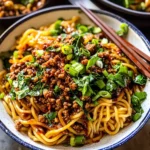
Experience the magic of Dan Dan Mian, a vibrant noodle dish that bursts with flavor and offers a delightful balance of spice, nuttiness, and texture. This recipe transports you straight to the bustling streets of Sichuan with each slurp of tender noodles coated in a rich, savory sauce. Infused with aromatic garlic and ginger, complemented by the crunch of peanuts and fresh greens, this comforting bowl is perfect for cozy dinners or impressing guests. With simple ingredients and straightforward instructions, making Dan Dan Mian at home becomes an enjoyable culinary adventure. Get ready to create unforgettable memories around your dining table!
- Prep Time: 15 minutes
- Cook Time: 15 minutes
- Total Time: 30 minutes
- Yield: Serves 2
- Category: Main
- Method: Stir-frying
- Cuisine: Sichuan
Ingredients
- 1/2 lb ground beef, chicken, or crumbled tofu
- 3 cloves garlic (chopped)
- 1 tsp chopped ginger
- 2 tbsp soy sauce
- 1 tbsp apple vinegar
- 3 tbsp chili oil
- 2 portions fresh egg noodles or spaghetti
- Handful of leafy greens (yu choy, bok choy, or napa cabbage)
- Chopped green onion and crushed peanuts for garnish
Instructions
- Marinate your protein (beef/chicken/tofu) with garlic, ginger, soy sauce, apple vinegar, and black pepper for about 10 minutes.
- In a separate bowl, mix tahini (or peanut butter), soy sauce, chili oil, and sugar to create your sauce.
- Heat oil in a wok over high heat; stir-fry marinated protein until cooked through (about 4 minutes). Add preserved mustard greens and cook for another minute.
- Meanwhile, cook noodles according to package directions. Add leafy greens during the last minute of cooking for blanching.
- Drain noodles and greens together; layer half of the prepared sauce in serving bowls before adding noodles on top.
- Arrange blanched greens and sautéed protein over the noodles. Pour hot broth around edges and garnish with green onions and crushed peanuts.
Nutrition
- Serving Size: 1 bowl (~400g)
- Calories: 540
- Sugar: 5g
- Sodium: 860mg
- Fat: 25g
- Saturated Fat: 4g
- Unsaturated Fat: 20g
- Trans Fat: 0g
- Carbohydrates: 60g
- Fiber: 5g
- Protein: 25g
- Cholesterol: 70mg