Simple Zucchini Dill Casserole: A Fresh Delight for Dinner
I still remember the first time I tasted a zucchini dill casserole at a quaint little café that popped up in my neighborhood. The moment I took a bite, the fresh flavor of the zucchini paired with the aromatic dill transported me straight to summer picnics and sun-soaked afternoons. It was light yet satisfying, and as much as I loved it, I couldn’t shake the feeling that I could recreate it at home—better and more affordable too! Who doesn’t love a dish that feels gourmet but doesn’t break the bank?
After what felt like an eternity (okay, maybe it was just five attempts), I finally nailed my version of this Simple Zucchini Dill Casserole – theamazingfood. Let me tell you, between overcooked zucchinis and dill explosions all over my kitchen, I had moments where I thought about giving up entirely. But each round taught me something new. I wanted to achieve that perfect balance of flavors while ensuring the texture was creamy but not soggy—quite the challenge when you’re dealing with zucchini!
But oh boy, was it worth it! The final result is a light and flavorful casserole that perfectly showcases fresh zucchini and fragrant dill, making it an ideal side dish or even a light main course. It’s got just the right amount of creaminess to keep you coming back for more, with a delightful crunch from the topping that makes every bite exciting. Trust me, once you try this dish, you’ll be just as obsessed as I am—and I can’t wait for you to whip it up in your own kitchen!
These Simple Zucchini Dill Casserole are….
…a delightful twist on traditional casseroles that will leave your taste buds dancing with joy!
1. They offer a fresh, vibrant flavor that shines through every bite, thanks to the combination of zucchini and dill. The zucchini adds a subtle sweetness while the dill infuses a distinct herbal note that elevates the dish beyond ordinary casseroles, making it perfect for summer gatherings or cozy family dinners.
2. Irresistibly creamy texture – each spoonful is a harmonious blend of tender zucchini and rich sour cream. This creates a comforting mouthfeel that envelops your palate, with the melted cheese adding an extra layer of indulgence, ensuring that each bite is both satisfying and luxurious.
3. The key technique of layering flavors by sautéing onions before mixing them in enhances the dish’s complexity. This method caramelizes the onions slightly, bringing out their natural sweetness and depth which perfectly complements the freshness of the zucchini and dill, making every serving more than just a casserole.
4. An incredible value option for feeding a crowd without breaking the bank! With affordable ingredients like zucchini, onions, and eggs, this Simple Zucchini Dill Casserole can easily serve as a hearty meal or side dish for family gatherings, all while being simple to prepare at home compared to dining out.
PS This casserole serves about 6 people generously! Perfect for sharing or enjoying leftovers throughout the week!
Ingredients for the Simple Zucchini Dill Casserole
Each ingredient in this dish plays an essential role in flavor and texture. Here’s what you’ll need:
4 cups zucchini (sliced): Provides a tender texture and mild flavor that forms the base of the casserole.
1 cup onion (chopped): Adds sweetness and depth, enhancing the overall flavor profile.
1 cup fresh dill (chopped): Infuses the dish with a bright herbal note that complements the zucchini beautifully.
1 cup sour cream: Contributes creaminess and a tangy richness that binds the ingredients together.
1 cup shredded cheese (cheddar or mozzarella): Melts to create a gooey layer of flavor, adding both richness and texture.
2 large eggs: Acts as a binding agent, helping to hold the casserole together while adding moisture.
1 teaspoon salt: Enhances all the flavors, bringing out the natural sweetness of the vegetables.
1/2 teaspoon black pepper: Adds a subtle kick that balances the creaminess of the dish.
- 1 cup bread crumbs (for topping): Provides a crispy texture contrast on top, making each bite satisfying.
You MUST Preheat the Oven! No Exceptions!
I’ll confess, I thought about skipping this step. After all, it seems like such a trivial detail when you’re excited to dive into that creamy zucchini goodness. But trust me, I tried it without preheating the oven, and let’s just say my casserole ended up flatter than a pancake. Lesson learned—I won’t be cutting corners on this one again!
Preheating the oven is crucial because it ensures even cooking right from the start. Imagine trying to bake a cake in a cold oven; it would never rise properly! The same principle applies here. When you place your casserole in an already hot oven, it helps the zucchini soften beautifully while allowing the cheese and breadcrumbs to crisp up to golden perfection—both essential for achieving that delightful contrast in texture.
What does preheating do?
- Even Cooking — Ensures that the zucchini cooks uniformly, preventing some parts from being mushy while others remain raw.
- Crispy Topping — Starts the cooking process immediately, allowing the cheese and breadcrumbs to form a golden crust that adds flavor and crunch.
- Flavor Development — The rapid heat helps develop deeper flavors as the ingredients meld together more effectively than they would in a cold start.
- Texture Contrast — Helps maintain the integrity of the zucchini, giving it a tender bite without turning mushy while keeping the edges perfectly crisp.
- Cooking Time Accuracy — Keeps your baking time accurate, so you won’t end up with a soggy or overcooked casserole.
Different Preheating Times
- No Preheat (poor) — The casserole will cook unevenly; expect soggy zucchini and a sad excuse for a topping.
- 10 minutes (fair) — Better than nothing, but still not ideal; you’ll notice some inconsistencies in texture.
- 15 minutes (good) — A solid choice yielding decent results; most ingredients begin to cook evenly.
- 20 minutes or more (excellent) — Optimal! The casserole rises perfectly with beautifully cooked vegetables and a crisp topping.
Just remember: skipping preheating is asking for trouble! The most common mistake is assuming “it’ll be fine” if you throw everything into a cold oven. Trust me—this is one shortcut you definitely don’t want to take!
How to make Simple Zucchini Dill Casserole
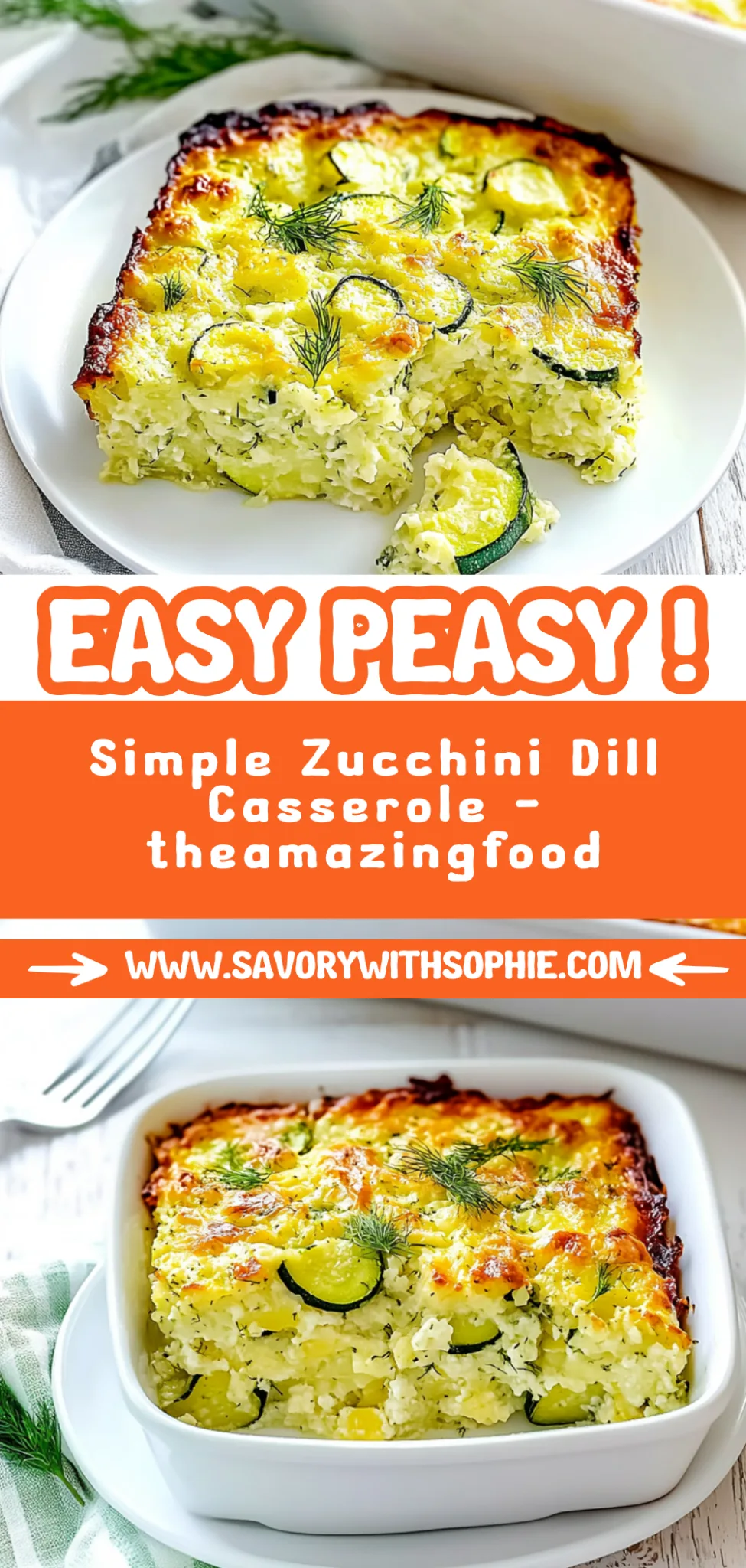
Are you ready to see how straightforward it is to make the Simple Zucchini Dill Casserole of your dreams??
1. PREPARE THE VEGETABLES
Let’s kick things off by prepping our fresh ingredients!
Boldly Preheat – Preheat the oven to 350°F (175°C). This step is crucial as it ensures that your casserole bakes evenly and reaches that perfect golden brown finish.
Combine Ingredients – In a mixing bowl, combine the sliced zucchini, chopped onion, and fresh dill. Use a spatula or wooden spoon to mix them gently, ensuring that all the flavors meld together beautifully. The aroma of dill will start to fill your kitchen, promising a delightful dish ahead!
HANDY TIPS
- Choose Fresh: Opt for firm zucchini without blemishes for the best texture.
- Chop Smart: Keep your onion pieces uniform in size for even cooking.
2. MIX THE CASSEROLE
Now it’s time to create that creamy base for our casserole!
Add Dairy and Eggs – Add the sour cream, eggs, salt, and black pepper to the vegetable mixture. Stir until everything is well combined; this mixture should be slightly thickened but still creamy. The sour cream adds a wonderful tanginess while helping bind everything together. ❓ Why does this matter? Because it creates a luscious texture that complements the zucchini perfectly!
Transfer Mixture – Transfer the mixture into a greased casserole dish, spreading it out evenly so every bite gets that delicious flavor combo.
HANDY TIPS
- Grease Wisely: Use butter or cooking spray on your dish to prevent sticking and ensure easy serving.
- Mix Well: Don’t rush this step—mix thoroughly for that creamy consistency throughout!
3. ADD TOPPINGS AND BAKE
We’re almost there—just a few more steps before we enjoy this tasty casserole!
Sprinkle Cheese and Breadcrumbs – Sprinkle shredded cheese and then breadcrumbs evenly over the top of your casserole mixture. This will create a beautiful crust as it bakes—who doesn’t love that crispy topping?! 💡 TIP: If you like extra crunch, consider mixing some herbs into your breadcrumbs for added flavor!
Bake – Place in the preheated oven and bake for 30 minutes or until the top is golden brown and bubbly. Keep an eye on it during baking; you’ll know it’s done when you see that lovely color developing!
HANDY TIPS
- Cheese Choice: Cheddar gives a sharp kick while mozzarella offers a mild creaminess—choose based on your preference!
- Breadcrumb Variations: Try using panko breadcrumbs for an even crunchier topping if you want to elevate it further!
4. SERVE
The moment has arrived—time to enjoy your creation!
Cool Slightly – Remove from the oven and let it cool for a few minutes before serving. This brief cooling period allows the casserole to set up nicely, making serving easier without losing all its deliciousness!
That’s it! You’ve just made a delightful Simple Zucchini Dill Casserole that’s bursting with flavor and perfect for any occasion. Make this once, and I wager it will invade your dreams every night too! – Nagi x
FAQ – Simple Zucchini Dill Casserole
🌿 Can I make this casserole ahead of time?
Absolutely! You can prepare the casserole up to the point of baking. Just cover it tightly with plastic wrap or foil and store it in the refrigerator for up to 24 hours. When you’re ready to bake, simply remove it from the fridge and let it sit at room temperature for about 30 minutes before popping it in the oven. This allows for more even cooking. If you need to, you can also freeze it for up to 2 months—just be sure to thaw it overnight in the refrigerator before baking.
🥒 What is the shelf life of leftovers?
When stored properly in an airtight container, your Simple Zucchini Dill Casserole will last for about 3-4 days in the fridge. I found that it’s still 90% as good on day 3! However, keep in mind that the texture may change slightly as the zucchini releases moisture over time. If you notice excess liquid, just drain it off before reheating.
❄️ Can I freeze this casserole for later?
Yes, you can! Freeze the unbaked casserole tightly wrapped in plastic wrap and then aluminum foil for up to 2 months. To bake from frozen, preheat your oven to 350°F (175°C) and bake for about 60 minutes or until heated through. I recommend covering it with foil during the first half of baking to prevent over-browning.
🥗 Is there a way to make this dish gluten-free?
You can easily make this Simple Zucchini Dill Casserole gluten-free by swapping out regular bread crumbs for gluten-free ones. I’ve tested this substitution multiple times, and it’s come out just as delicious without any noticeable difference in taste or texture! Additionally, ensure that your cheese and sour cream are also labeled gluten-free if you’re serving someone with a gluten intolerance.
🧀 Can I substitute ingredients like cheese or sour cream?
Definitely! If you’re looking for a dairy-free option, you could use cashew cream instead of sour cream and nutritional yeast or dairy-free cheese alternatives in place of shredded cheese. For those who prefer a lighter version, Greek yogurt works well as a substitute for sour cream—just keep an eye on seasoning since Greek yogurt tends to be tangier!
⏲️ Why do I need to let the casserole cool before serving?
Letting your casserole cool for about 5-10 minutes after removing it from the oven allows it to set properly. This resting time helps all those delicious flavors meld together while making serving easier—trust me, no one wants a soupy mess on their plate! It’s hard but worth waiting just a bit longer!
🥄 How many times did you test this recipe?
I lost count after my fifth round of testing! 😂 Seriously though, I wanted to ensure that every layer of flavor—from the juicy zucchini to that crispy topping—was just right. Each batch was devoured by my family (and they never complain), so you know it’s a winner!
🌈 Can I customize this recipe with other vegetables?
Absolutely! While zucchini is the star here, feel free to get creative with other veggies like yellow squash, bell peppers, or even spinach. Just remember that some vegetables might release more moisture than others (like tomatoes), so adjust your cooking time accordingly. Enjoy experimenting; that’s part of the fun!
Troubleshooting
I will continue to add more to this Troubleshooting section as I start seeing questions coming through from people who have made the recipe.
Troubleshooting tips
“My casserole turned out too watery! 😭”
- This can happen if your zucchini slices were too thick or not drained properly before mixing. Zucchini has a high water content, and if they’re not sliced thin or pressed out, they release excess moisture during baking.
- Another reason could be that you didn’t bake it long enough. If the casserole isn’t in the oven long enough, the moisture won’t evaporate and can result in a soggy dish.
- But hey, even if it was watery, I bet it still tasted great!
“The top of my casserole is burnt but the inside is undercooked! 🔥”
- This may occur if your oven temperature is too high or if you placed the casserole too close to the heating element. The cheese topping can brown quickly while the inside remains uncooked.
- It’s also possible that you used a smaller dish than recommended, which could lead to uneven cooking. A deeper dish means longer cooking time for the center.
- I totally understand how frustrating that can be, but I’m sure it was still delicious inside!
“My casserole came out way too dry! 😢”
- If you overbaked your casserole, it will lose moisture and become dry. Make sure to keep an eye on it during the last few minutes of baking.
- Another reason could be that you didn’t add enough sour cream. It’s a key ingredient for moisture; using less than planned can lead to dryness.
- Dryness happens to the best of us; I’m sure it was still tasty in its own way!
“Why does my casserole look so pale? 🤔”
- A pale appearance often results from not baking it long enough for that golden-brown color to develop. The bread crumbs and cheese need time in the oven to toast properly.
- If you used low-fat cheese, it might not brown as well as regular cheese because of its lower fat content. Fat helps with browning!
- Even if it didn’t look perfect, I bet it was still bursting with flavor!