Irresistible Mango Sticky Rice – Easy Thai Dessert Recipe
Mango Sticky Rice is a delightful dessert that combines the sweetness of ripe mangoes with the creaminess of coconut-infused sticky rice. This traditional Thai dish is not only indulgent but also easy to prepare at home.
The magic of Mango Sticky Rice lies in its simplicity, using just a few ingredients to create an unforgettable flavor experience. With its gluten-free, vegetarian, and vegan options, it’s a treat everyone can enjoy.
Why You'll Love This Mango Sticky Rice
- This incredible Mango Sticky Rice transforms simple ingredients into restaurant-quality flavors that will blow your mind.
Foolproof techniques guarantee perfect results every single time making even novice cooks feel like professional chefs.
Stunning visual appeal with gorgeous colors creates the ultimate Instagram-worthy dish for any occasion.
Endlessly adaptable for different dietary needs while working beautifully for meal prep or entertaining groups effortlessly.
Ingredients for Mango Sticky Rice
Here is what you will need to make this delicious Mango Sticky Rice:
1 cup uncooked sticky rice: Essential for the dessert’s chewy texture.
1 can full-fat coconut milk (13.5 oz / 400 g can): Adds rich creaminess and flavor.
1/4 cup sugar: Sweetens the coconut sauce.
1/2 teaspoon salt: Enhances overall taste by balancing sweetness.
2 teaspoons cornstarch (Optional): Helps thicken the sauce if desired.
3 ripe mangoes (peeled and sliced): Fresh fruit adds brightness and flavor contrast.
Toasted sesame seeds for garnish (Optional): Adds a crunchy texture to finish off the dish.
How to Make Mango Sticky Rice
Follow these simple steps to prepare this delicious Mango Sticky Rice:
Step 1: Rinse and Soak the Sticky Rice
Rinse the sticky rice with tap water, gently stirring it with your hand to remove excess starch. Drain the water and repeat this process once more before covering the rice with cold water to soak. Let it soak for a minimum of one hour, or up to overnight in the refrigerator for best results. After soaking, give it another rinse and drain again.
Step 2: Steam the Rice
Transfer the soaked rice into a heatproof bowl and set it in a steamer, ensuring you add about two inches of water to the steamer without getting any into the rice itself. Cover the steamer and bring it to medium-high heat until boiling, then reduce to medium heat. Steam for 20-25 minutes until cooked through, making sure there are no hard bits remaining.
Step 3: Prepare the Coconut Sauce
While your rice is steaming, it’s time to create that luscious coconut sauce! In a saucepan, combine full-fat coconut milk, sugar, and salt over medium heat until heated through and sugar has dissolved completely—just be careful not to bring it to a boil as you want a smooth sauce.
Step 4: Thicken if Necessary
If your coconut milk appears thin, mix cornstarch with four tablespoons of water in a small bowl until dissolved. Add half of this slurry into your sauce while stirring constantly to achieve your desired thickness; adjust further as needed so it’s just thick enough to coat the back of a spoon.
Step 5: Combine Rice and Sauce
Once your sticky rice is done steaming, carefully remove it from the steamer using oven mitts. Pour one cup of your prepared coconut sauce over the warm sticky rice and stir well until fully absorbed for that perfect blend of flavors.
Step 6: Serve Your Dish
Let both the mango sticky rice mixture and remaining sauce cool down slightly before serving them together at room temperature or lukewarm. Scoop about one-third cup of coconut rice into serving bowls or plates alongside slices of fresh mango and drizzle additional coconut sauce on top as desired, finishing with toasted sesame seeds if you choose!
Perfecting Mango Sticky Rice Cooking Process
Creating the perfect mango sticky rice requires a careful balance of timing and technique. By soaking the sticky rice thoroughly and steaming it just right, you’ll achieve that signature chewy texture. The coconut sauce should be warm but never boiling, allowing the flavors to meld beautifully without losing creaminess.
Add Your Touch to Mango Sticky Rice
You can customize mango sticky rice in various ways to suit your taste. Consider adding a touch of pandan extract for a fragrant twist or infusing the coconut sauce with lime zest for a refreshing kick. Topping with fresh herbs like mint can also elevate its presentation and flavor profile. 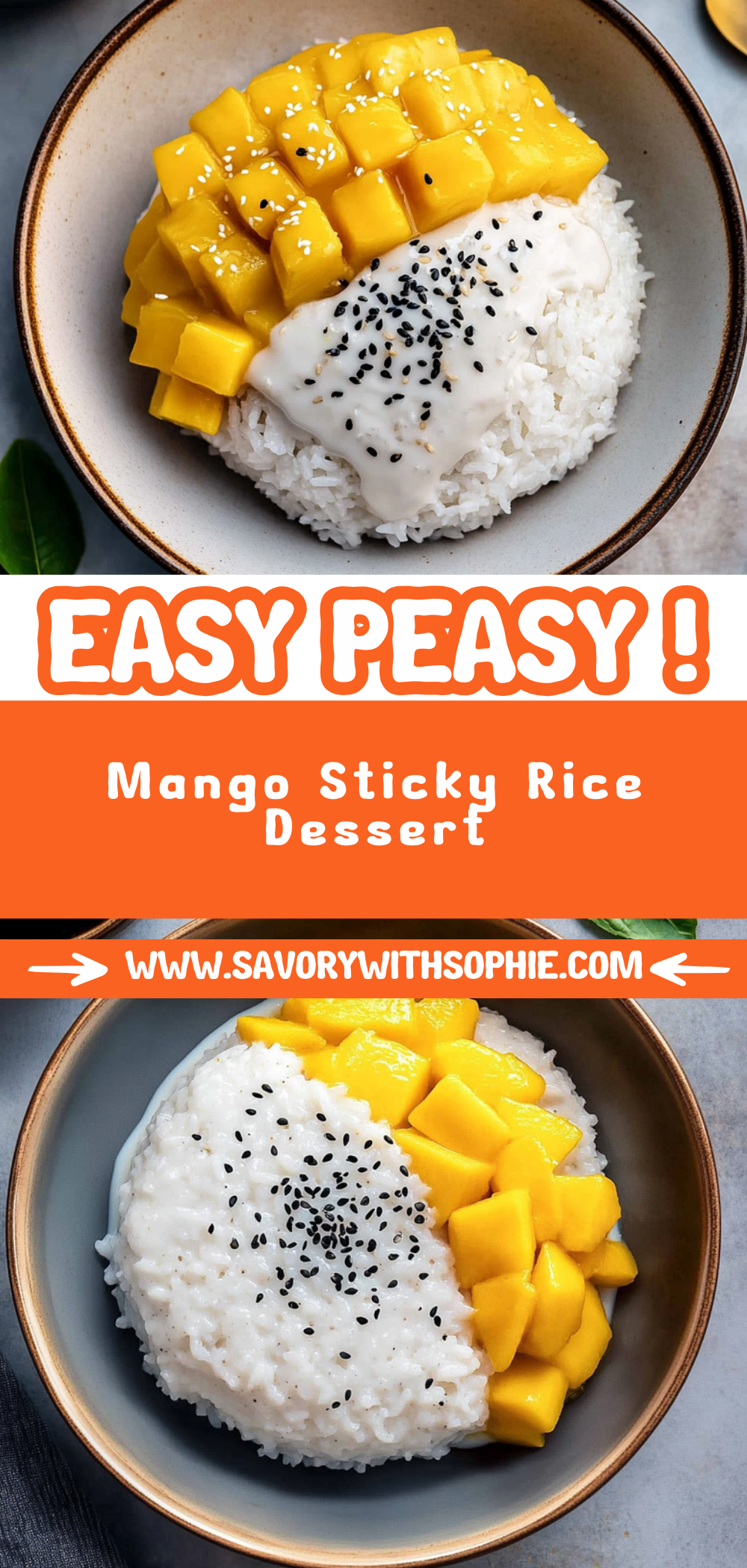
Storing and Reheating Mango Sticky Rice
Mango sticky rice can be stored in an airtight container in the refrigerator for up to three days. To reheat, gently steam the rice or microwave it with a splash of water to maintain moisture. Be cautious not to overheat as this may alter the texture of both the rice and sauce.
Chef's Helpful Tips for Mango Sticky Rice
Growing up, my family would often treat ourselves to mango sticky rice during special occasions, creating lasting memories that are tied to its sweet aroma and rich flavors.
FAQs About Mango Sticky Rice
What is Mango Sticky Rice?
Mango sticky rice is a traditional Thai dessert made from glutinous (sticky) rice, fresh mango slices, and a sweet coconut sauce. This dish is beloved for its combination of textures—the chewiness of the rice contrasts beautifully with the softness of ripe mangoes, while the creamy coconut sauce adds richness that ties everything together.
Can I use regular rice instead of sticky rice?
While you can technically use regular white or brown rice, it will not yield the same authentic experience as sticky rice does. Sticky rice has a unique starch composition that gives it its characteristic chewy texture when cooked. For best results in recreating authentic mango sticky rice, stick with glutinous or sweet sticky rice.
Is mango sticky rice gluten-free?
Yes, mango sticky rice is naturally gluten-free as it primarily uses glutinous rice, which does not contain gluten. The coconut milk used in the sauce is also gluten-free, making this dessert suitable for those with gluten sensitivities or celiac disease.
Can I make mango sticky rice vegan?
Absolutely! The traditional recipe for mango sticky rice is vegan-friendly since it includes only plant-based ingredients such as glutinous rice, coconut milk, sugar, and fresh mangoes. Just be sure to use a sugar brand that does not contain bone char if strict veganism is your goal.
Conclusion for Mango Sticky Rice
In conclusion, mango sticky rice is more than just a dessert; it’s a delightful blend of flavors and textures that encapsulates Thai cuisine’s essence. With its simple ingredients and straightforward preparation method, you can create this luscious treat at home. Enjoying homemade mango sticky rice brings back fond memories while allowing you to savor every bite of this beloved dish.
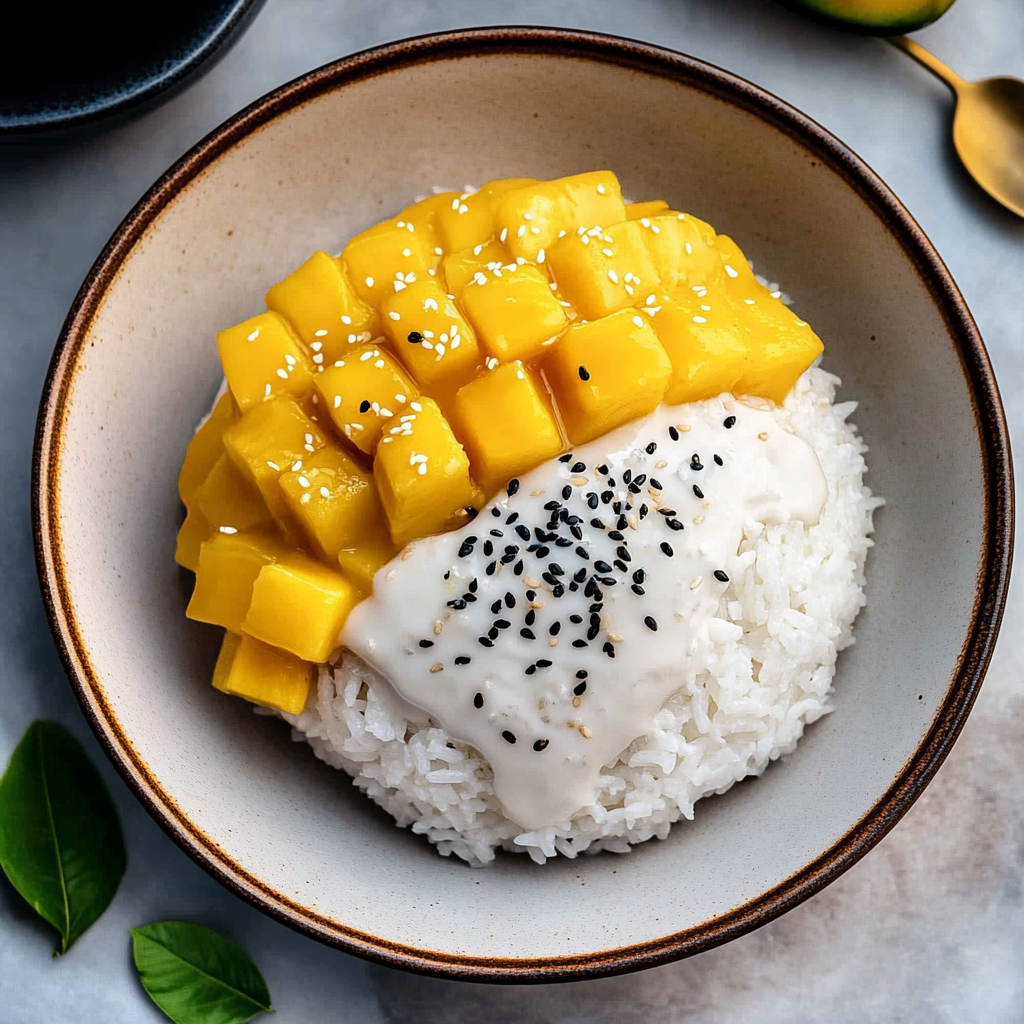
Mango Sticky Rice
Ingredients
Method
- Rinse the sticky rice with tap water, gently stirring it with your hand to remove excess starch. Drain the water and repeat this process once more before covering the rice with cold water to soak. Let it soak for a minimum of one hour, or up to overnight in the refrigerator for best results. After soaking, give it another rinse and drain again.
- Transfer the soaked rice into a heatproof bowl and set it in a steamer, ensuring you add about two inches of water to the steamer without getting any into the rice itself. Cover the steamer and bring it to medium-high heat until boiling, then reduce to medium heat. Steam for 20-25 minutes until cooked through, making sure there are no hard bits remaining.
- In a saucepan, combine full-fat coconut milk, sugar, and salt over medium heat until heated through and sugar has dissolved completely—just be careful not to bring it to a boil as you want a smooth sauce.
- If your coconut milk appears thin, mix cornstarch with four tablespoons of water in a small bowl until dissolved. Add half of this slurry into your sauce while stirring constantly to achieve your desired thickness; adjust further as needed so it's just thick enough to coat the back of a spoon.
- Once your sticky rice is done steaming, carefully remove it from the steamer using oven mitts. Pour one cup of your prepared coconut sauce over the warm sticky rice and stir well until fully absorbed for that perfect blend of flavors.
- Let both the mango sticky rice mixture and remaining sauce cool down slightly before serving them together at room temperature or lukewarm. Scoop about one-third cup of coconut rice into serving bowls or plates alongside slices of fresh mango and drizzle additional coconut sauce on top as desired, finishing with toasted sesame seeds if you choose!