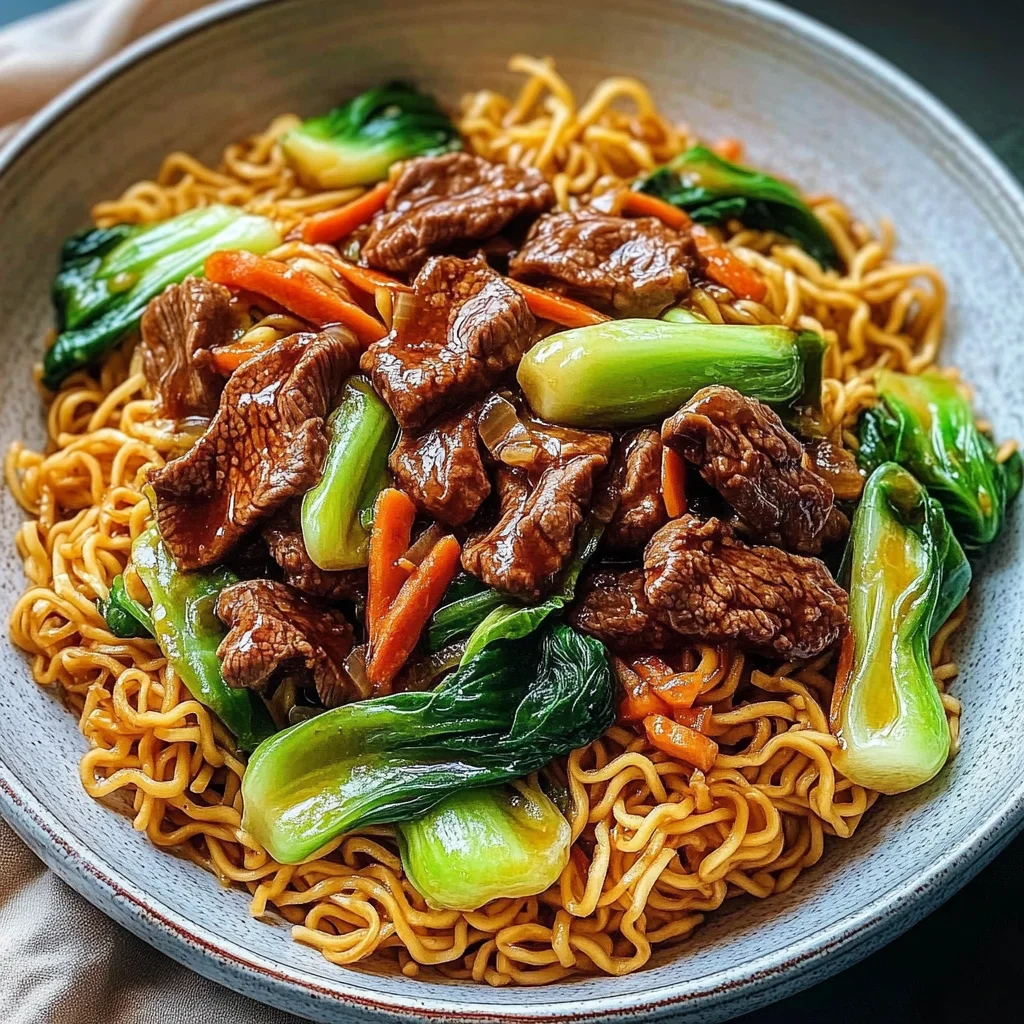
Beef Pan-Fried Noodles
There’s a certain magic in the air when you step into a kitchen filled with the aromas of sizzling beef, fragrant garlic, and vibrant vegetables. The act of cooking is more than just a means to satisfy hunger; it’s a heartfelt expression of love, creativity, and connection to tradition. Each dish tells a story, and today, we’re diving into a beloved classic that transforms humble ingredients into something truly extraordinary: Beef Pan-Fried Noodles. This dish not only captures the essence of Chinese cuisine but also brings family and friends together around the table, creating moments that linger long after the last bite is savored. I promise you, this recipe will transport you straight to your favorite Chinese restaurant, but with the added warmth of home.
As you embark on this culinary adventure, allow yourself to be enveloped by the experience. Picture the glorious sound of noodles frying in hot oil—their edges crisping up beautifully as they soak up rich flavors from tender beef and savory sauces. There’s an intoxicating aroma that fills your kitchen as garlic and ginger release their fragrance, enticing everyone nearby to come closer. And let me tell you, once you serve this Beef Pan-Fried Noodles dish, you’ll find yourself bombarded with requests for seconds! It’s not just food; it’s an invitation to gather around the table and share laughter and stories over a meal that speaks volumes about care and comfort.
Beef Pan-Fried Noodles: A Comforting Culinary Delight
Welcome to my kitchen! Today we’re preparing Beef Pan-Fried Noodles—a dish bursting with flavor and texture that will make your taste buds dance. With its combination of crispy noodles topped with juicy beef and colorful vegetables bathed in rich sauces, this recipe is sure to become a staple in your home. So roll up your sleeves, put on your favorite apron, and let’s get started!
Ingredients:
As we prepare to bring this delicious dish to life, let’s take a moment to talk about each ingredient that makes up our Beef Pan-Fried Noodles. Each element plays an essential role in achieving that perfect balance of flavors and textures.
- 8 oz flank steak (or skirt steak), thinly sliced against the grain. Choosing flank or skirt steak is pivotal because these cuts are not only flavorful but also tender when cooked correctly. Slicing against the grain is absolutely paramount here; it ensures that every bite melts in your mouth rather than being chewy or tough. Look for meat that has good marbling—those little streaks of fat add richness while cooking.
- 8 oz fresh Hong Kong pan fry noodles (or other type of thin noodles). These noodles are what give our dish its signature texture—crispy on the outside while remaining soft inside. Fresh noodles are preferred for their ability to absorb flavors better than dried varieties. If you can’t find Hong Kong noodles at your local grocery store, don’t fret! Thin egg noodles or even rice vermicelli can work as excellent substitutes.
- 2 tablespoons Shaoxing apple vinegar (or dry apple juice). This ingredient adds a tangy depth that brightens up all the other flavors. Shaoxing vinegar has a unique sweetness which complements savory dishes beautifully; however, if it’s hard to find, using dry apple juice gives us that necessary acidity without overwhelming sweetness.
- 2 teaspoons cornstarch. Cornstarch acts as our thickening agent in both the marinade for the beef and later for our sauce. This is crucial for achieving that luscious glaze we all crave in stir-fry dishes! It helps bind everything together while also giving our beef an appealing texture when cooked.
- 1/4 teaspoon salt. Just enough salt enhances all those bold flavors without overpowering them. Salt is often overlooked but remember—it awakens taste buds!
- 1 cup low-sodium beef broth. Using low-sodium broth allows us control over how salty our final dish becomes while still infusing it with rich umami flavor from real beef broth instead of water.
- 2 tablespoons soy sauce (preferably low-sodium). Soy sauce brings depth and color to our dish—the “liquid gold,” if you will! It adds an unmistakable savory note (known as umami) which elevates simple ingredients into something sublime.
- 2 tablespoons oyster sauce. This ingredient contributes a complex sweetness along with deep savory notes—it’s simply non-negotiable in Asian cuisine! When choosing oyster sauce, look for brands without added MSG for a cleaner flavor.
- 1 tablespoon Shaoxing apple vinegar (or dry apple juice). Just another splash here rounds out our flavor profile beautifully—think of it as adding brightness!
- 2 tablespoons cornstarch (additional). We’ll use this again later as part of our sauce mixture; trust me when I say it creates an absolutely luxurious texture!
- 1 teaspoon sugar. Just a hint of sugar balances out savory elements perfectly—it’s like giving your taste buds a warm hug!
- 1/4 teaspoon Chinkiang vinegar. This black rice vinegar has distinct characteristics compared to regular vinegar—it adds depth without being overly sharp; it’s a delightful addition if available!
- 1/4 teaspoon white pepper. Unlike black pepper which can have sharp notes depending on how much is used; white pepper provides warmth without any harshness—a must-have in many Asian dishes!
- 4 tablespoons peanut oil (divided). With its high smoke point, peanut oil is excellent for frying at high temperatures while imparting subtle nuttiness—not only does it help achieve those beautiful golden-brown edges on our noodles but also enhances overall flavor nicely!
- 4 heads baby bok choy (quartered). Bok choy adds vibrant green color along with crunchiness—it’s nutritious too! When quartered, they cook quickly yet hold their shape well amidst all those delicious sauces.
- 4 cloves garlic (minced). Garlic infuses everything with warmth—a key fragrance element in many cuisines including Chinese—be sure to mince finely so it evenly disperses throughout our dish!
- 1 inch ginger (minced). Fresh ginger pairs so wonderfully with garlic here—it brings zinginess which brightens up heavier elements like beef!
- 1/2 yellow onion (sliced). Sweet onions lend mild sweetness when sautéed—they soften beautifully alongside carrots giving us layers upon layers of flavors!
- 1/2 carrot (sliced into strips). Carrots add natural sweetness plus lovely crunch—they brighten visually too making our plate pop!
Equipment You’ll Need:
Now that we have gathered all our wonderful ingredients together let’s chat about some essential tools you’ll need for success! Having the right equipment makes everything smoother—and trust me; familiarity with these tools will elevate your cooking experience tremendously.
- Large heavy-bottomed pan (nonstick or carbon steel). A sturdy pan ensures even heat distribution which prevents hot spots during cooking—a crucial factor when aiming for crispy fried noodles! Nonstick pans are fantastic if you’re worried about sticking while carbon steel pans develop natural non-stick properties over time through seasoning.
- Colander or sieve: After boiling those delicate fresh noodles, transferring them into a colander allows excess water to drain away ensuring they fry perfectly instead of stewing in moisture later on—this small step makes all difference between soggy versus gloriously crisp fried noodles!
- Tongs or chopsticks: These handy tools are indispensable when flipping sizzling beef or turning delicate vegetables within hot pans—you’ll appreciate having precise control over placement without disturbing everything else happening around it!
With these pieces ready at hand along with all those marvelous ingredients prepared earlier—we’re set up nicely for success as we dive into making these delectable Beef Pan-Fried Noodles come alive before us!
Step 1: Marinating the Beef
To start off this culinary journey on just the right note—let’s focus on marinating our thinly sliced flank or skirt steak first thing! Place your beautiful slices into a medium-sized bowl where they’ll soak up magical flavors from Shaoxing apple vinegar and cornstarch mixed within there too! Toss everything gently using clean hands until each piece feels coated evenly—that tactile connection really brings joy doesn’t it? Letting them marinate while prepping other ingredients allows time for tenderizing goodness—they’ll be super juicy later on during cooking…trust me on this one.
Step 2: Preparing Your Sauce
While those lovely beef slices are soaking up marinade goodness—we’ll turn attention towards crafting an equally delightful sauce! In another medium-sized bowl combine soy sauce alongside oyster sauce then follow suit by adding remaining measurements listed above including sugar & vinegars galore… whisk everything together until perfectly blended—you want no lumps left behind here folks! Think about how each ingredient works harmoniously enhancing richness upon cooking later down line… oh what fun awaits ahead!
Step 3: Cooking Your Noodles
Once things start heating up temperature-wise we can begin preparing those fabulous Hong Kong pan fry noodles next! Start by following package instructions carefully since every brand varies slightly… typically boiling them briefly before draining eliminates excess moisture otherwise they’d end up soggy instead crispifying beautifully atop plate later on—it’s crucial not to rush through this part either because properly drained means achieving that sought-after golden crust after frying awaits us soon enough… just imagine biting right through crunchy goodness layered beneath succulent toppings ahead… mouth-watering already isn’t it?
Step 4: Frying Those Noodles
Now comes what I believe might be one of most exciting parts—we get down & dirty frying those gorgeous strands until golden brown perfection emerges before us! Heat large heavy-bottomed pan over medium-high heat then pour in two tablespoons peanut oil allowing it shimmer lightly beforehand spreading prepared noodle mixture out flat across surface area forming patty shape whilst allowing uninterrupted sizzling action unfold beneath…. patience here pays off tenfold folks—once bottoms reach deep golden hue flip gently utilizing spatula before drizzling another touch oil if necessary ensuring crispness achieved throughout both sides… oh goodness gracious can smell aroma wafting already!
Stay tuned as we delve deeper into finishing touches that will elevate these Beef Pan-Fried Noodles even further—a symphony awaits creation beyond imagination where ingredients unite harmoniously upon serving plate… I’m so excited for you all to experience this masterpiece firsthand soon enough!
Step 5: Searing the Beef to Perfection
Now, let’s turn our attention to the beef, which is truly the star of this dish. After marinating your flank or skirt steak, it’s time to heat up your trusty skillet. Pour in 1 tablespoon of peanut oil and bring it to a shimmering heat over medium-high. This step is absolutely crucial for achieving that beautifully caramelized crust on your beef; the high heat creates a Maillard reaction, which enhances the flavors and gives that deep richness we all crave. Once the oil is hot, carefully add your marinated beef in a single layer. It’s important not to overcrowd the pan because we want each piece to have enough space for that glorious browning—think of it as giving each slice its moment in the spotlight!
Let the beef sizzle undisturbed for about 30 seconds; this allows it to develop a lovely golden exterior. You’ll know it’s ready to flip when you see that gorgeous brown color peeking up at you! Flip each piece with tongs or chopsticks, allowing them to sear on the other side until they are browned and cooked through—don’t worry if there’s still a hint of pink inside; this cut of meat is so tender that it will finish cooking perfectly later on. Once done, transfer your beef to a plate and resist the urge to snack on it immediately! Trust me; you want every ounce of flavor in that sauce coming up next.
Step 6: Building Flavor with Aromatics
With our beautiful beef now resting, let’s dive into creating an aromatic base for our vegetables. In the same pan (which should still be infused with all those savory juices), pour in another 1 tablespoon of peanut oil. Turn up that heat again and toss in your sliced onion and carrot, stirring quickly for about 1-2 minutes until they start softening slightly but still retain some crunch. This step is essential because we’re layering flavors here; cooking these aromatics first draws out their natural sweetness and creates a foundation of flavor for our dish.
Next, add minced ginger and garlic, stirring vigorously for about 30 seconds more until their intoxicating aromas fill your kitchen—this is where magic happens! The sizzling sound should be music to your ears as these ingredients mingle together. Not only do they enhance the flavor profile of our dish, but they also provide that quintessential Asian flair we love. Keep an eye on them; we’re looking for fragrant notes without burning—if they start browning too quickly, lower that heat just a touch!
Step 7: Introducing Freshness with Bok Choy
Now comes one of my favorite parts: adding fresh greens! Toss those quartered baby bok choy into the pan, stirring gently as they join this delightful medley. Cook them for another minute or so until they begin to soften while still maintaining that vibrant green color—a true hallmark of freshness! This step isn’t just about adding color; bok choy introduces a beautiful crisp texture that balances out the richness of our dish beautifully.
As you stir, take a moment to appreciate how everything comes together—the colors are stunning, and aromas are wafting through your kitchen like an invitation to sit down at a bustling restaurant table filled with laughter and joy. There’s something profoundly satisfying about working with fresh vegetables; their bright flavors will elevate our dish from simply good to downright extraordinary!
Step 8: The Sauce That Ties It All Together
Now we arrive at perhaps one of the most exciting moments—introducing our sauce! Before pouring it into our lovingly sautéed mixture, make sure you’ve given it a thorough stir again; we want every component well integrated because cornstarch likes to settle at the bottom. Slowly pour it into your pan while stirring continuously to avoid lumps forming. Watching this happen is like witnessing culinary alchemy—the sauce transforms from a simple mix into something rich and glossy before your very eyes.
Bring this luscious concoction to a gentle boil while continuing to stir—it should bubble actively within just a couple of minutes. As it thickens beautifully (you’ll notice how it coats everything), keep an eye on its consistency; we want it thick enough to cling onto our noodles without being overly gloopy—aim for something akin to liquid gold! This rich sauce won’t just flavor your beef and vegetables but will also deliver an unforgettable punch when draped over those crispy noodles later on.
Next Major Phase: Final Touches – Bringing It All Together
Step 9: Marrying Flavors Over Fried Noodles
As we approach the grand finale, it’s time for everything we’ve worked so hard on to come together in one glorious embrace! Gently fold back in all those beautifully seared pieces of beef into the bubbling sauce, ensuring every morsel gets coated in that flavorful goodness. This step is non-negotiable because melding these elements allows each ingredient’s essence to infuse into one harmonious dish—a true symphony of flavors waiting patiently for its moment.
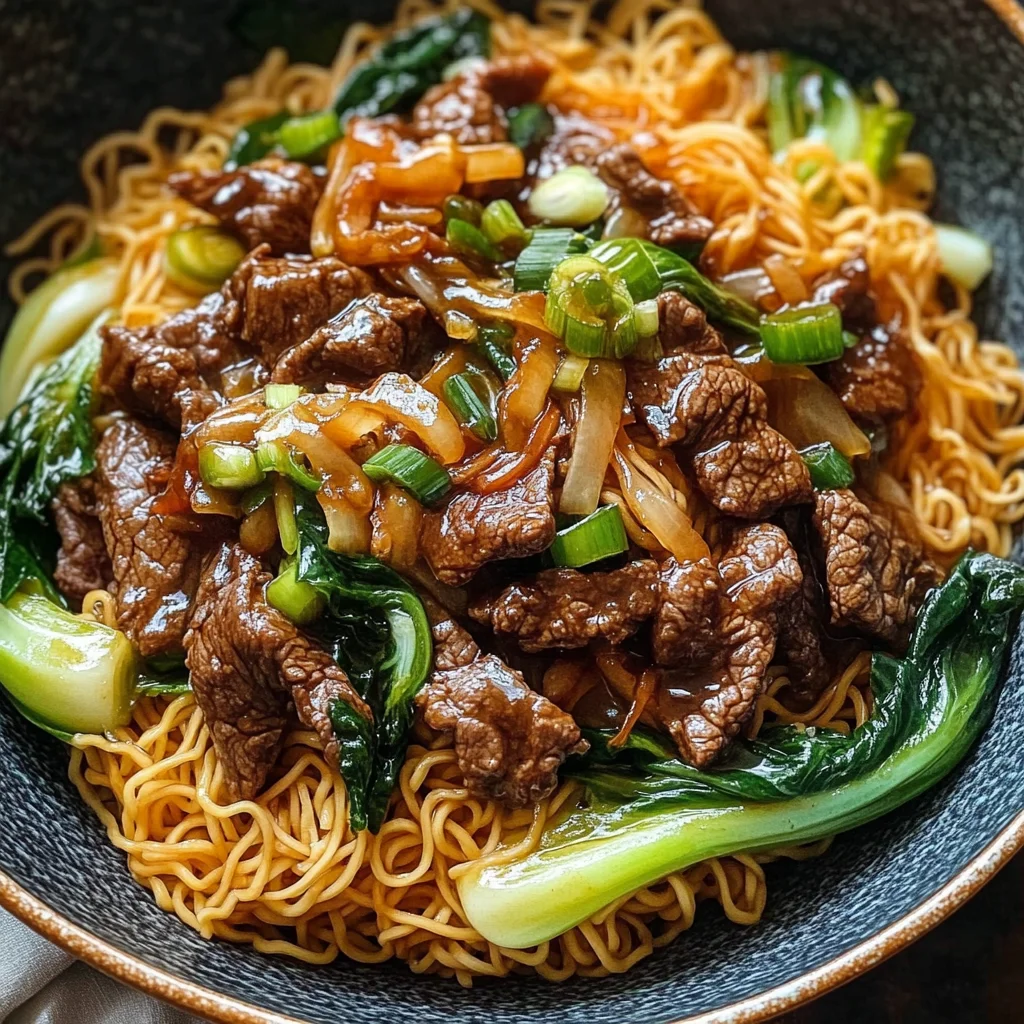
Once everything is mixed thoroughly and heated through (just about 1-2 more minutes should do), it’s time for the pièce de résistance—your crispy fried noodles! Carefully pour this mouthwatering mixture over those golden noodles sitting proudly on your serving platter like royalty awaiting their crown jewels. Let all those juices cascade down like a waterfall onto every inch of those noodles—you’ll want them fully enveloped in flavor!
And there you have it—the culmination of time spent chopping, marinating, sautéing, and loving each ingredient! Serve immediately while it’s piping hot; nothing beats freshly made Beef Pan-Fried Noodles gracing your table alongside family or friends eager for a taste of homemade goodness. I promise you; once you serve this dish, watch as smiles spread across faces—it’s not just food but an experience worth sharing over laughter and stories around the table. Enjoy every bite knowing you’ve crafted something truly special!
Storage and Enjoyment Tips for Your Beef Pan-Fried Noodles
Now that you’ve created this delightful dish of Beef Pan-Fried Noodles, it’s time to dive in and relish every bite! The aroma wafting through your kitchen, with those crispy noodles and savory beef, is sure to make your mouth water. But what if you find yourself with leftovers? Fear not, my friend! I’ve got you covered with some fantastic storage tips to ensure you can enjoy this culinary masterpiece even after the initial feast.
Storing Leftover Beef Pan-Fried Noodles
To keep your Beef Pan-Fried Noodles fresh and flavorful, it’s best to store them in an airtight container. This will help maintain that phenomenal texture of the noodles while preventing the dish from absorbing any unwanted odors from your fridge. Ideally, you want to pop these beauties in the refrigerator within two hours of cooking to ensure they stay safe and delicious. When stored properly, they can last up to three days—though I promise you, they might not last that long! For optimal quality, consider placing a slice of bread in the container; it helps absorb excess moisture and keeps everything tasting just as good as when you first made it. When you’re ready to enjoy those leftovers, simply reheat them on the stovetop or in the microwave until warmed through. A little splash of broth or water can help revive that delightful sauce if it has thickened up a bit during storage.
Freezing Beef Pan-Fried Noodles for Later
If you want to extend the life of your Beef Pan-Fried Noodles, freezing is a wonderful option! To do this, let the noodles cool completely before transferring them into freezer-safe bags or containers. Squeeze out any excess air to prevent freezer burn—trust me, this step is non-negotiable for maintaining quality! Properly frozen, your dish can last for up to three months. The beauty of freezing is that on those busy days when cooking feels daunting, you simply pull out your delicious homemade noodles and let them thaw in the fridge overnight before reheating. You’ll be amazed at how convenient it is—just like having a gourmet meal at your fingertips whenever cravings hit!
Beef Pan-Fried Noodles
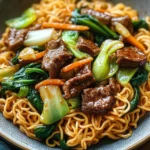
Turn dinner into an extraordinary feast with Beef Pan-Fried Noodles—a crispy delight that’s bursting with flavor. Try it tonight!
- Prep Time: 20 minutes
- Cook Time: 15 minutes
- Total Time: 35 minutes
- Yield: Serves 4
- Category: Dinner
- Method: Frying
- Cuisine: Asian
Ingredients
- 8 oz flank steak or skirt steak, thinly sliced
- 8 oz fresh Hong Kong pan fry noodles (or thin egg noodles)
- 1 cup low-sodium beef broth
- 2 tablespoons soy sauce (preferably low-sodium)
- 4 tablespoons peanut oil (divided)
- 4 heads baby bok choy, quartered
- 4 cloves garlic, minced
- 1 inch ginger, minced
- 1/2 yellow onion, sliced
- 1/2 carrot, sliced into strips
Instructions
- Marinate the thinly sliced beef in a bowl with apple vinegar and cornstarch for about 15 minutes.
- Prepare the sauce by mixing together soy sauce, oyster sauce, sugar, and vinegar in another bowl; set aside.
- Cook the fresh noodles according to package instructions until just tender; drain and set aside.
- In a large pan over medium-high heat, add 2 tablespoons peanut oil and sear the marinated beef until browned; remove from pan and set aside.
- In the same pan, add another tablespoon of peanut oil and sauté onion and carrot for 1-2 minutes. Add garlic and ginger; cook until fragrant (about 30 seconds).
- Stir in bok choy until slightly wilted before adding the prepared sauce.
- Return beef to the pan along with cooked noodles; toss to combine everything evenly coated in sauce.
- Serve hot and enjoy your delicious Beef Pan-Fried Noodles!
Nutrition
- Serving Size: 1 plate (approx. 350g)
- Calories: 466
- Sugar: 6g
- Sodium: 775mg
- Fat: 22g
- Saturated Fat: 3g
- Unsaturated Fat: 16g
- Trans Fat: 0g
- Carbohydrates: 43g
- Fiber: 3g
- Protein: 26g
- Cholesterol: 70mg